Open
Open


For decades, most people were taught to treat injuries with RICE: Rest, Ice, Compression, and Elevation. While this approach was once considered the gold standard, research has evolved. Today, many healthcare professionals recommend a newer framework called PEACE & LOVE, which focuses on supporting the body’s natural healing process while promoting a safe return to activity.
Whether you’ve suffered an ankle sprain, plantar fascia injury, Achilles tendon strain, or another foot-related injury, understanding the PEACE & LOVE method can help optimize your recovery.
What Is PEACE & LOVE?
PEACE & LOVE is an evidence-based approach designed to guide injury recovery from the moment an injury occurs through the rehabilitation process.
The acronym is divided into two phases:
Immediate Care: PEACE
- P – Protect
- E – Elevate
- A – Avoid Anti-Inflammatories
- C – Compress
- E – Educate
Ongoing Recovery: LOVE
- L – Load
- O – Optimism
- V – Vascularization
- E – Exercise
Together, these principles help support tissue healing while encouraging appropriate movement and rehabilitation.
PEACE: What to Do Immediately After an Injury
Protect
For the first few days after an injury, it is important to reduce activities that aggravate the injured area. This does not mean complete immobilization unless specifically recommended by a healthcare professional.
For example, after an ankle sprain, you may need to temporarily reduce walking or use supportive footwear while the initial pain settles.
Elevate
Elevating the injured foot or ankle above heart level can help reduce swelling by encouraging fluid drainage.
This is particularly helpful during the first 24 to 72 hours after an injury.
Avoid Anti-Inflammatories
This recommendation often surprises people.
Inflammation is a natural part of the healing process. While anti-inflammatory medications may reduce pain, some research suggests they could potentially interfere with tissue repair when used excessively during the early stages of healing.
Always speak with your healthcare provider before changing or discontinuing medications.
Compress
Compression can help manage swelling and improve comfort.
Options may include:
- Compression bandages
- Compression socks
- Ankle supports
- Athletic wraps
The goal is to provide gentle support without restricting circulation.
Educate
One of the most important aspects of recovery is understanding the injury and having realistic expectations about healing.
Quick fixes and passive treatments are rarely enough on their own. Long-term success often depends on active rehabilitation and gradual return to activity.
LOVE: Supporting Long-Term Recovery
Load
Once pain begins to improve, gradual loading of the injured tissues becomes essential.
Appropriate movement stimulates tissue repair, helps maintain strength, and prevents excessive stiffness.
The key is finding the right balance between activity and recovery.
Optimism
Research has shown that psychological factors can influence recovery outcomes.
Maintaining a positive outlook, staying engaged in rehabilitation, and understanding that healing takes time can contribute to better long-term results.
Vascularization
Gentle cardiovascular activity promotes blood flow, which helps deliver oxygen and nutrients to healing tissues.
Examples include:
- Walking
- Stationary cycling
- Swimming
- Low-impact aerobic exercise
Activities should be selected based on the type and severity of the injury.
Exercise
Targeted exercises help restore:
- Strength
- Mobility
- Balance
- Coordination
- Function
For foot and ankle injuries, rehabilitation exercises may include calf strengthening, ankle mobility drills, balance training, and gait retraining.
A customized exercise program is often the most effective way to reduce the risk of reinjury.
Why PEACE & LOVE Is Better Than RICE
Traditional RICE protocols emphasized rest and ice. While these strategies may still have a role in managing symptoms, modern research recognizes that prolonged rest can delay recovery and contribute to muscle weakness and stiffness.
PEACE & LOVE shifts the focus toward:
- Active recovery
- Patient education
- Progressive rehabilitation
- Long-term healing
Rather than simply reducing symptoms, the goal is to restore function and promote lasting recovery.
Common Foot and Ankle Injuries That Benefit from PEACE & LOVE
The PEACE & LOVE framework can be applied to many lower limb injuries, including:
- Ankle sprains
- Achilles tendon injuries
- Plantar fascia injuries
- Calf strains
- Midfoot sprains
- Peroneal tendon injuries
- Sports-related foot injuries
Because every injury is unique, treatment plans should be tailored to the individual.
When Should You See a Foot Specialist?
While many minor injuries improve with appropriate self-care, professional assessment is recommended if:
- Pain is severe
- You cannot bear weight
- Swelling is significant
- Symptoms are worsening
- Recovery is taking longer than expected
- You experience recurrent injuries
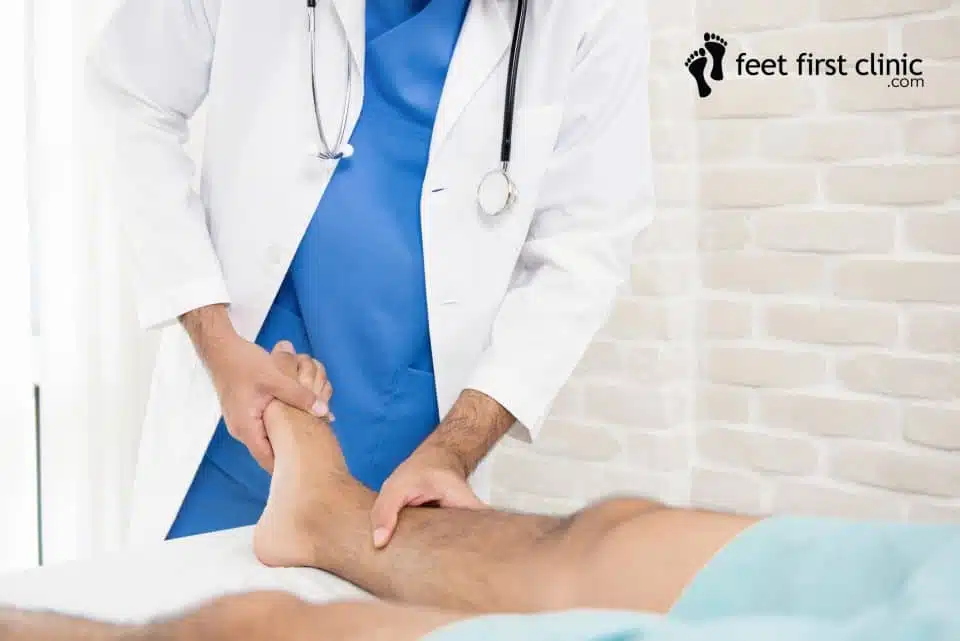
A chiropodist can assess the injury, identify contributing factors, and create a personalized treatment plan to help you recover safely.
Recover Smarter, Not Just Faster
The PEACE & LOVE approach recognizes that healing is about more than simply resting an injury. By protecting tissues during the early stages and gradually reintroducing movement, strength, and activity, you can support the body’s natural healing process and improve your chances of a full recovery.
If you’re dealing with a foot or ankle injury, early assessment and a structured rehabilitation plan can help you return to your normal activities with confidence.