Open
Open


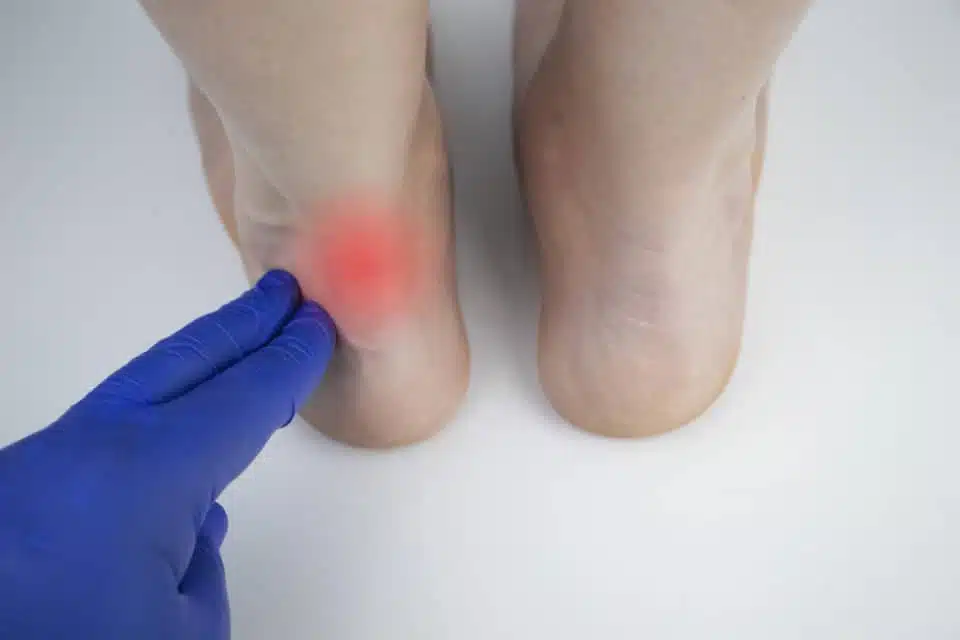
The Achilles tendon is the strongest tendon in the body. It connects your calf muscles to your heel bone and enables activities like walking, running, and jumping. However, it is also prone to injury -particularly from overuse. Two common conditions affecting the Achilles tendon are Achilles tendonitis and Achilles tendinosis. Although their names sound similar, they differ in causes, symptoms, and treatment approaches. Understanding these differences is crucial for effective recovery and prevention.
What Is Achilles Tendonitis?
Achilles tendonitis is an acute inflammation of the Achilles tendon, typically caused by sudden increased activity or repetitive strain. It results in swelling, pain, and irritation along the tendon.
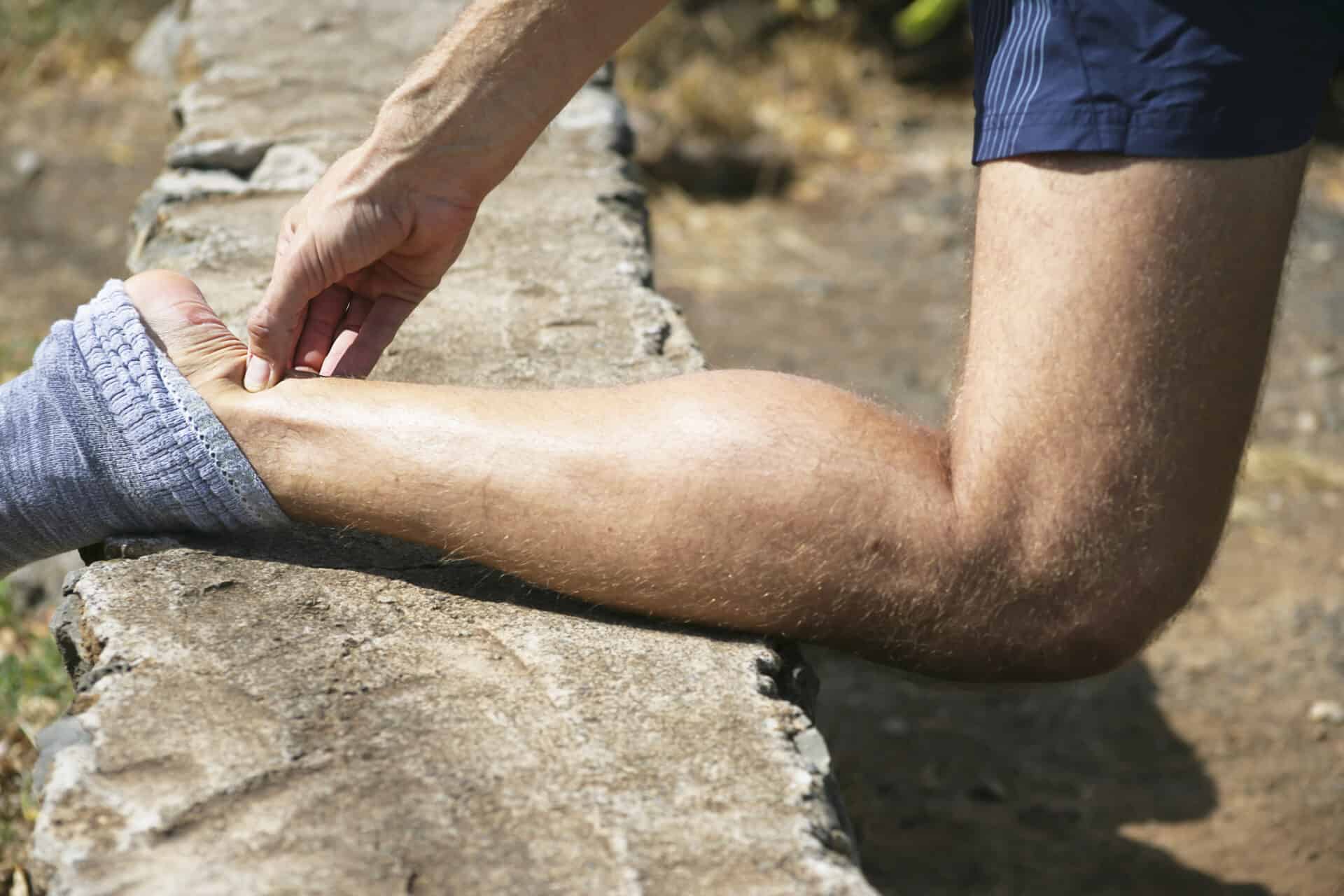
Causes of Achilles Tendonitis:
- Sudden increase in physical activity or intensity
- Overuse during running or jumping sports
- Poor footwear
- Training on hard surfaces
- Tight calf muscles
- Poor biomechanics
Symptoms of Achilles Tendonitis:
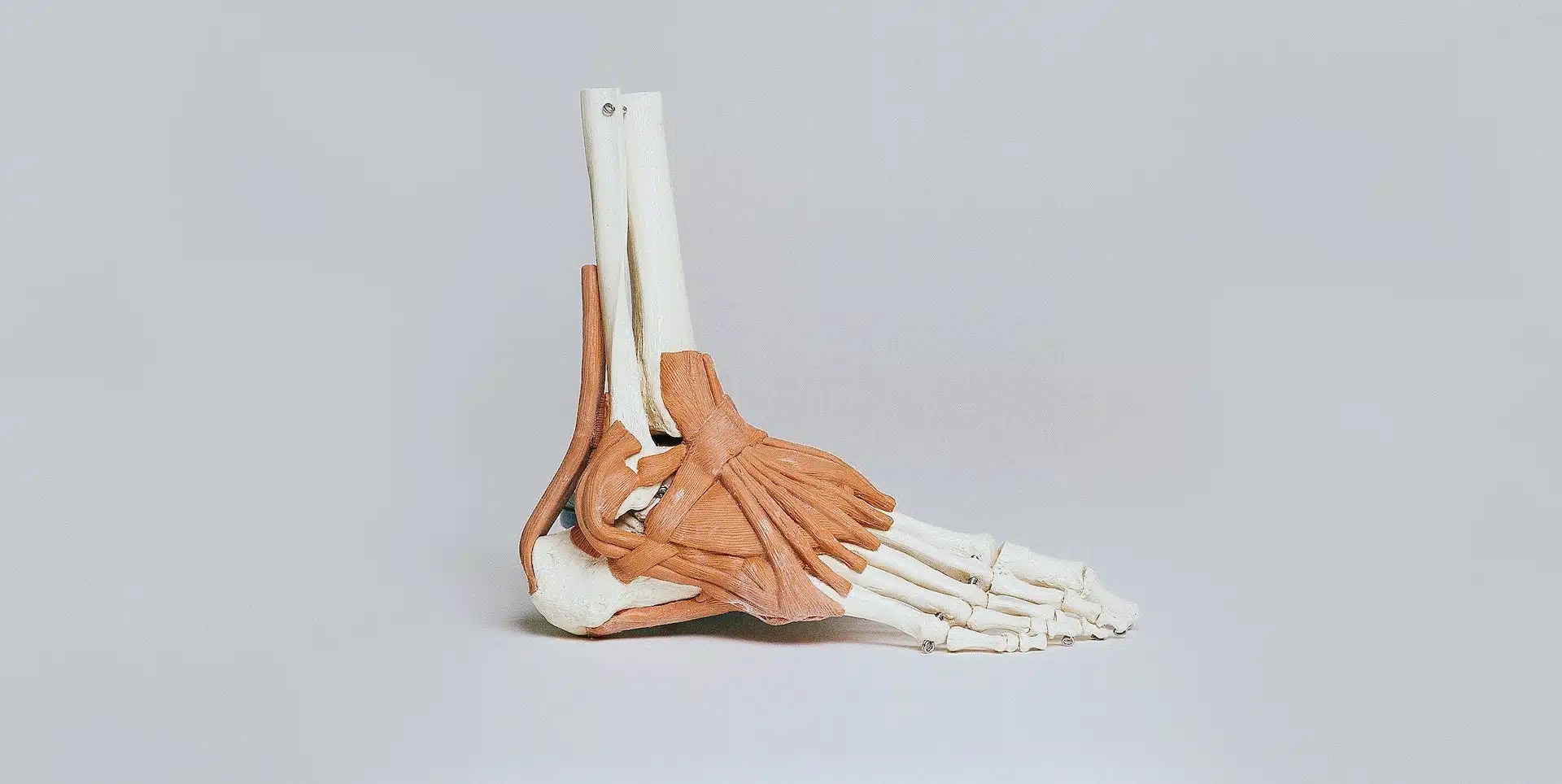
- Sharp or burning pain along the back of the heel or lower calf
- Swelling and tenderness over the tendon
- Stiffness, especially in the morning or after rest
- Pain worsens with activity
What Is Achilles Tendinosis?
Achilles tendinosis is a chronic condition characterized by degeneration of the tendon’s collagen fibers without significant inflammation. It often develops after untreated or recurrent Achilles tendonitis and results in thickening and weakening of the tendon. It’s essentially what can happen if Achilles tendonitis goes untreated.
Causes of Achilles Tendinosis:
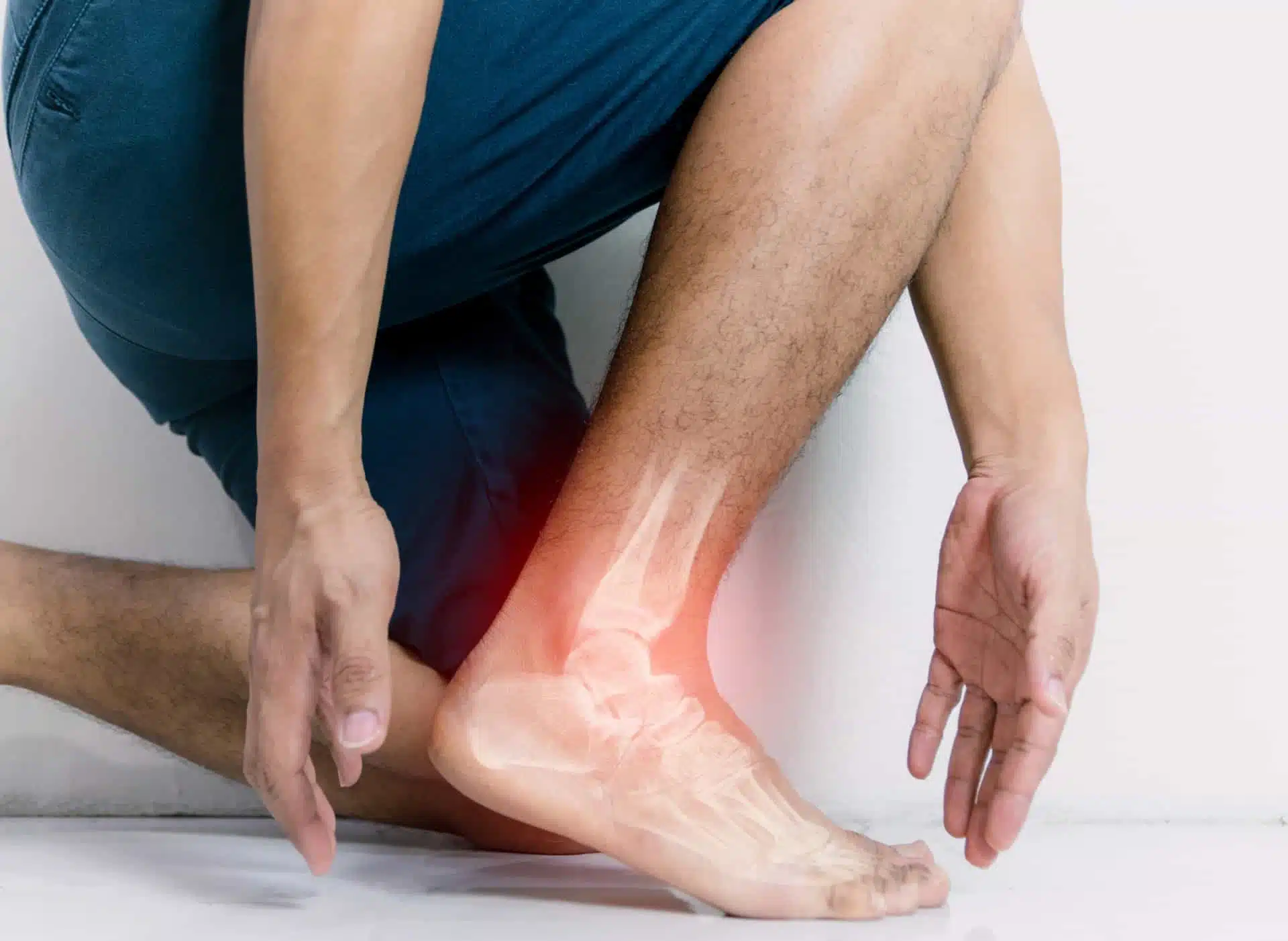
- Repeated micro-tears and poor healing
- Chronic overuse without adequate rest
- Aging and reduced blood supply to the tendon
- Biomechanical abnormalities
Symptoms of Achilles Tendinosis:
- Dull, persistent pain along the tendon
- Thickened or nodular tendon
- Decreased strength and flexibility in the calf and ankle
- Pain may improve with warm-up but worsen with prolonged activity
Key Differences Between Tendonitis and Tendinosis
| Feature | Achilles Tendonitis | Achilles TendInosis |
|---|---|---|
| Nature | Inflammatory | Degenerative (non-inflammatory) |
| Duration | Acute or subacute | Chronic, long-term |
| Tissue Condition | Inflamed tendon fibers | Degenerated, disorganized fibers |
| Pain | Sharp, localized | Dull, diffuse |
| Treatment Focus | Reduce inflammation, rest | Promote tendon healing, strengthen |
Treatment Options
For Achilles Tendonitis:
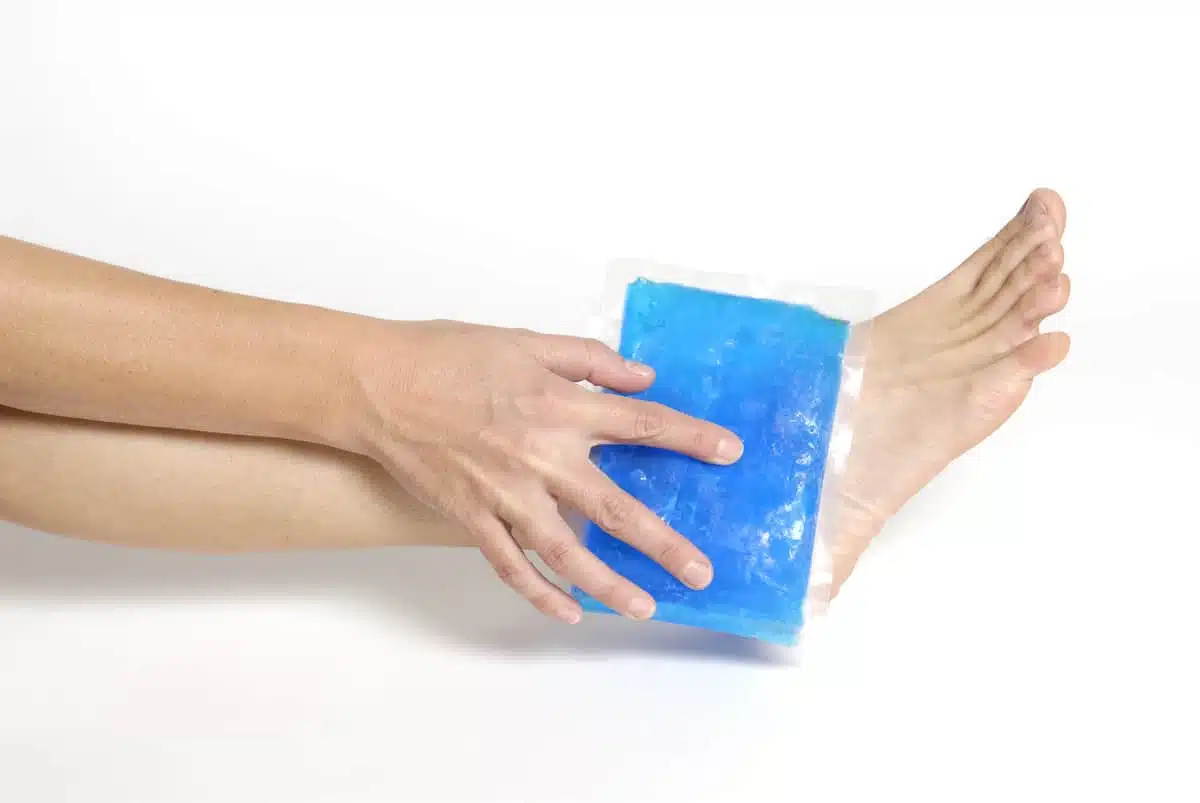
- Rest and activity modification
- Ice and anti-inflammatory medications
- Physical therapy focusing on stretching and strengthening
- Proper footwear and orthotics
- Gradual return to activity
For Achilles Tendinosis:
- Eccentric strengthening exercises to stimulate tendon repair
- Physical therapy and stretching
- Shockwave therapy or ultrasound treatments
- Possible use of platelet-rich plasma (PRP) injections
- Surgery in severe, unresponsive cases
Prevention Tips
- Warm up properly before exercise
- Gradually increase activity intensity and duration
- Wear supportive, well-fitting shoes
- Maintain calf flexibility and strength
- Avoid running on hard or uneven surfaces when possible