Open
Open


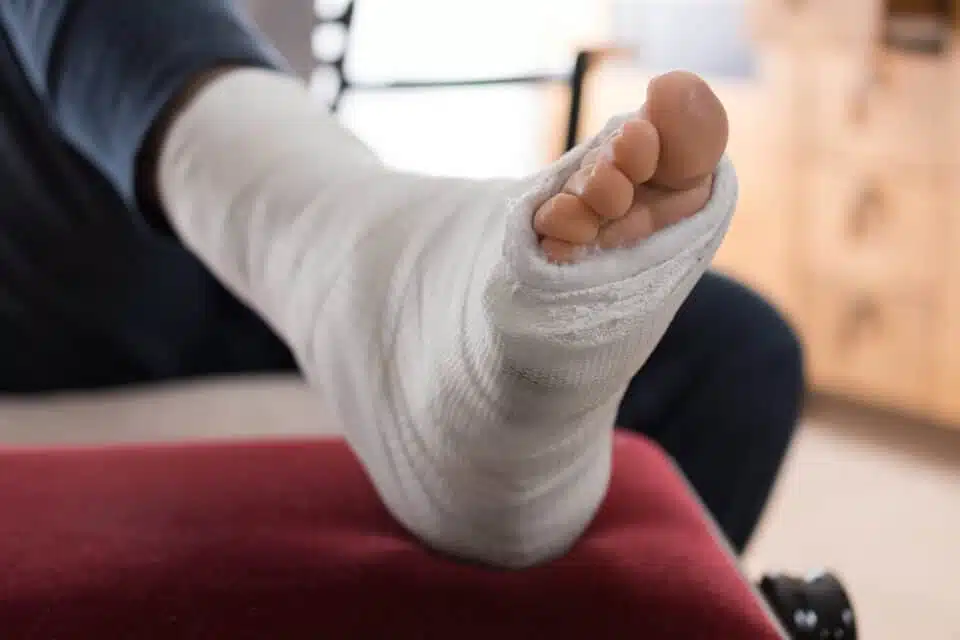
If you’ve experienced foot pain for some time or have a trauma injury, surgery has likely come to mind.
Surgery is a treatment of injuries or disorders of the body by incision or manipulation. Surgery is quite common for foot injuries and is done as a restorative measure.
Because of its invasive nature, considering the positives and negatives of surgery is important. You should not only weigh the direct impact of surgery but also the long-term effects.
There are several factors to consider when deciding on foot surgery:
- Necessity
- Success rate
- Cost
- Recovery time
- Long-term effectiveness
With these in mind, you should take into account the positives and negatives of both. Does the recovery time justify getting surgery, for example? How about the long-term effectiveness of the surgery?
Below, we get into the case for, and against, foot surgery.
When is Foot Surgery Necessary?
Some foot conditions require surgery. You should explore all non-surgical options and physical therapy before foot surgery.
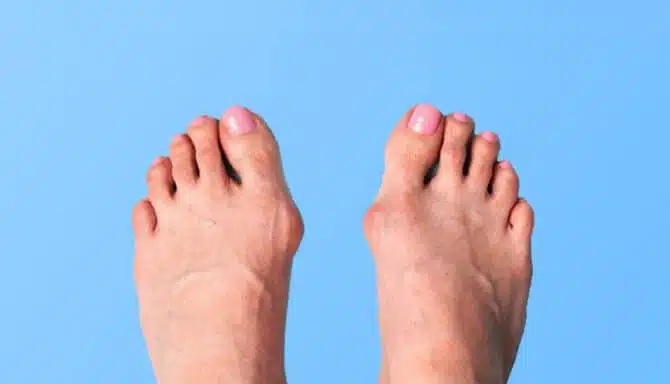
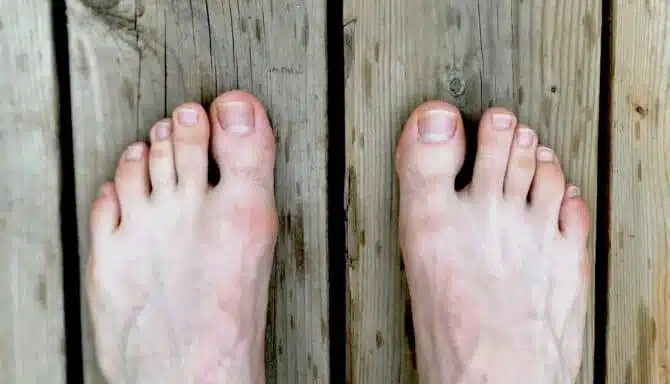
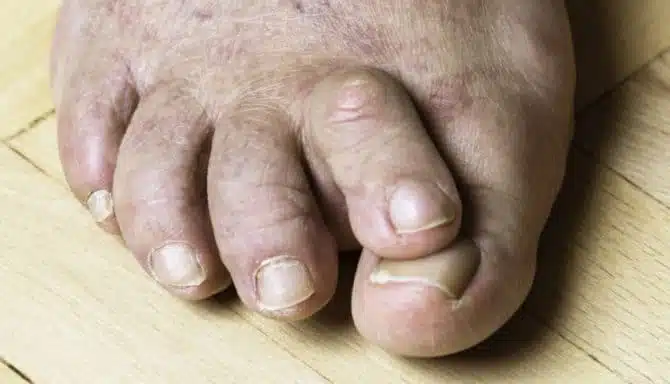
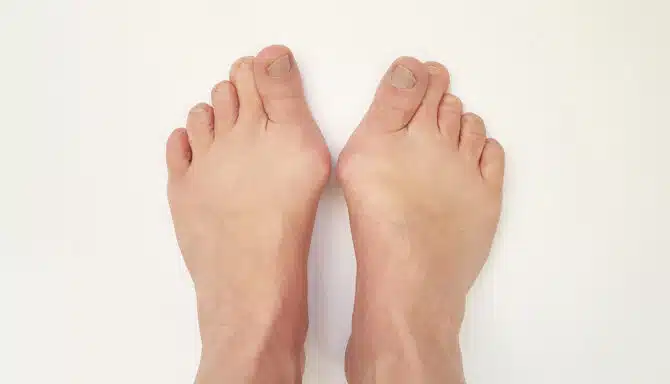
Certain foot conditions are progressive and are unlikely to get better without surgery. In these instances, one can consider surgery to improve their quality of life. A few examples of progressive foot conditions include severe bunions, rigid hammertoes, advanced arthritis (hallux rigidus). However, long before surgery is even considered, there are several conservative treatments that can slow down the progress and relieve pain.
That doesn’t mean you can’t live comfortably with the condition. Investing in proper shoes, doing physical therapy, and avoiding certain activities may relieve pain.
In the instance of hallux rigidus, you can maintain a high quality of life through physical therapy, proper orthotics, avoiding high-impact exercise, and working on flexibility. It’s important to work on maintaining the range of motion in the toe. You can’t get back more flexibility, but you can work to maintain the flexibility that you have. The bone spur will only continue to grow over time if excessive force or impact is placed upon the joint. However, since the osteoarthritis that breaks down the cartilage won’t be able to recover, the resulting bone spur will likely grow over time, further limiting the range of motion.
Some people opt for a cheilectomy, which is an incision along the top of the toe to shave down a Bone Spur. In other cases, people opt for a fusion, which connects the first metatarsal with the phalanx. The connecting of the two bones fuses the area of the first metatarsophalangeal joint (MTP joints).
For those with a bunion, you’ll want to explore all non-invasive measures before deciding on surgery. If you have explored all options, surgery may be an option. Typically, those who experience significant pain, have severe toe deformities, and have chronic inflammation are the likely candidates for surgery. Bunion surgery (of which there are a few) can include several correct measures:
- Realigning the metatarsophalangeal (MTP) joint at the base of the big toe.
- Pain relief.
- Correcting the deformity of the bones, especially if your big toe is drifting inwards towards your second metatarsal.
Another example is rigid hammertoes. When the toes start to drift, grip or claw because of excessive misalignment of the big toe (bunion) or the entire foot itself (flat feet). It is always imperative to start with conservative treatment options such as silicone toe crutches, orthotics, metatarsal pads, and wearing the proper sized shoes width and length. If pain persists and the hammer toes progress and further deviate, then surgery is recommended. For flexible hammertoes, the most common surgery is Tendon lengthening which releases the pull under the toe. For more rigid hammertoes, joint resection is recommended, which is the removal of the end of the bone to allow for more range of motion. If the joints have too much arthritis, joint fusion is recommended to fuse the bones together and create a straight toe.
When is Foot Surgery Not Necessary?
Generally, you can treat foot conditions without operational procedures. The body is incredibly resilient when it comes to injuries, and many foot conditions can be treated with a proper plan.
Surgery is usually seen as a last resort because there is significant rest needed afterwards, the occasional complication, and sometimes nerve damage. Surgery can also be expensive if it’s not covered under provincial or private insurance. Finally, surgery might fix the obvious problem, but may not solve the underlying issue. This means that the foot condition may return in the future.
For the examples mentioned above – hallux rigidus, bunions, and hammertoes – all have recommended treatment options that don’t involve surgery. Working with a foot professional to determine the underlying cause, like a muscle imbalance, for example, can help treat the resulting condition, and can be better for your body in the long run. This can be done through a foot assessment by a chiropodist, complete with a biomechanical and gait analysis.
Surgery also can take weeks, if not months to recover from. Make sure to incorporate several weeks of recovery into the discussion when considering foot surgery. Recovery time may otherwise be used to build a habit of incorporating physical therapy into your routine. Consider the opportunity cost of the severity of the surgery as well as the recovery time.
For most foot conditions, there are a number of treatment options you should consider including:
- Rest
- Icing/compression
- Strength-training
- Custom orthotics
- Proper footwear
- Physiotherapy
- Over-the-counter footwear products like Bunion Socks
Any number of these treatment options may be able to provide the relief you need. Remember, you might not see results right away. In some cases, incorporating these treatments may take weeks, if not months, to result in meaningful change. However, those habits will continue to benefit you for the rest of your life.
There’s no hard and fast rule for in cases for and against surgery. Always consult a medical professional when deciding upon the best course of action, and see if foot surgery is recommended.