Open
Open


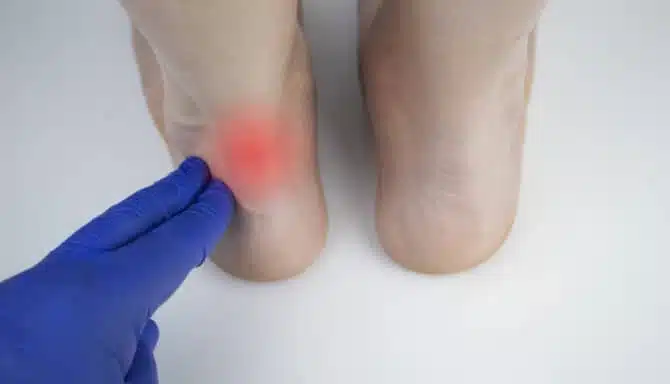
Extensor tendonitis is a common foot condition that affects the tendons running along the top of your foot. These tendons connect your muscles to your toes and help lift your toes and foot during walking and other activities. When these tendons become inflamed or irritated, it can lead to pain and difficulty moving your foot comfortably.
What Is Extensor Tendonitis?
Extensor tendonitis refers to inflammation or irritation of the extensor tendons on the top of the foot. This condition often results from overuse, repetitive strain, or injury. People who are active in sports, wear tight footwear, or have certain foot structures may be more prone to developing extensor tendonitis.
Causes of Extensor Tendonitis

- Overuse: Repetitive activities such as running, jumping, or walking long distances.
- Improper Footwear: Shoes that are too tight or have insufficient space on the top can compress the tendons.
- Foot Mechanics: Flat feet, high arches, or gait abnormalities can put extra strain on the tendons.
- Injury: Trauma or sudden impact to the foot.
- Underlying Conditions: Arthritis or inflammatory diseases may contribute to tendon irritation.
Symptoms of Extensor Tendonitis
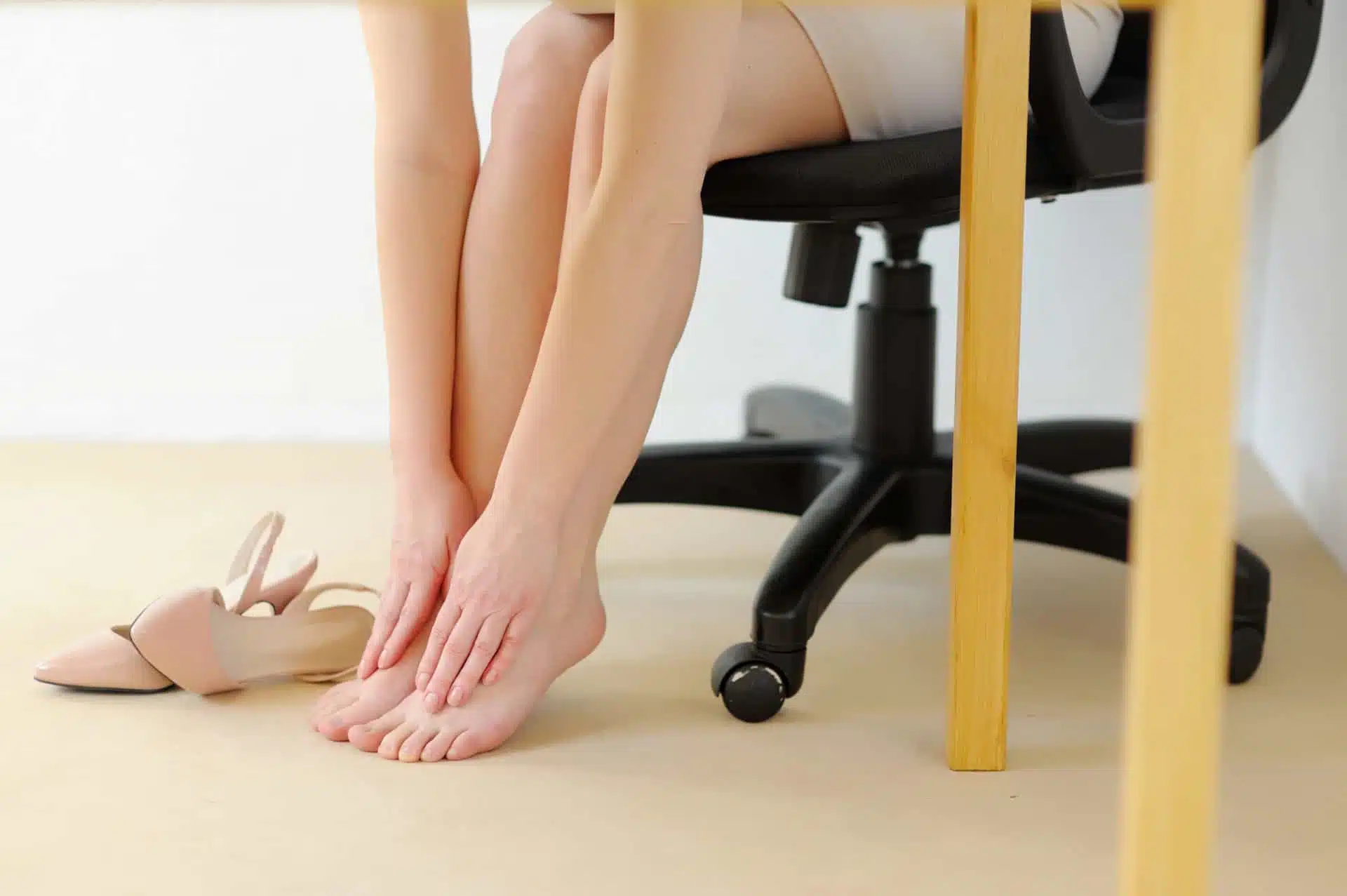
- Pain and tenderness on the top of the foot, especially over the affected tendon.
- Swelling or redness along the top of the foot.
- Difficulty lifting the toes or foot.
- Pain worsens with activity and improves with rest.
- Occasionally, a burning or tingling sensation.
Treatment Options
Rest and Activity Modification
Avoid activities that aggravate the pain and allow the tendon to heal.
Proper Footwear
Wear shoes with adequate space in the toe box and good support to reduce pressure on the top of the foot.
Ice Therapy
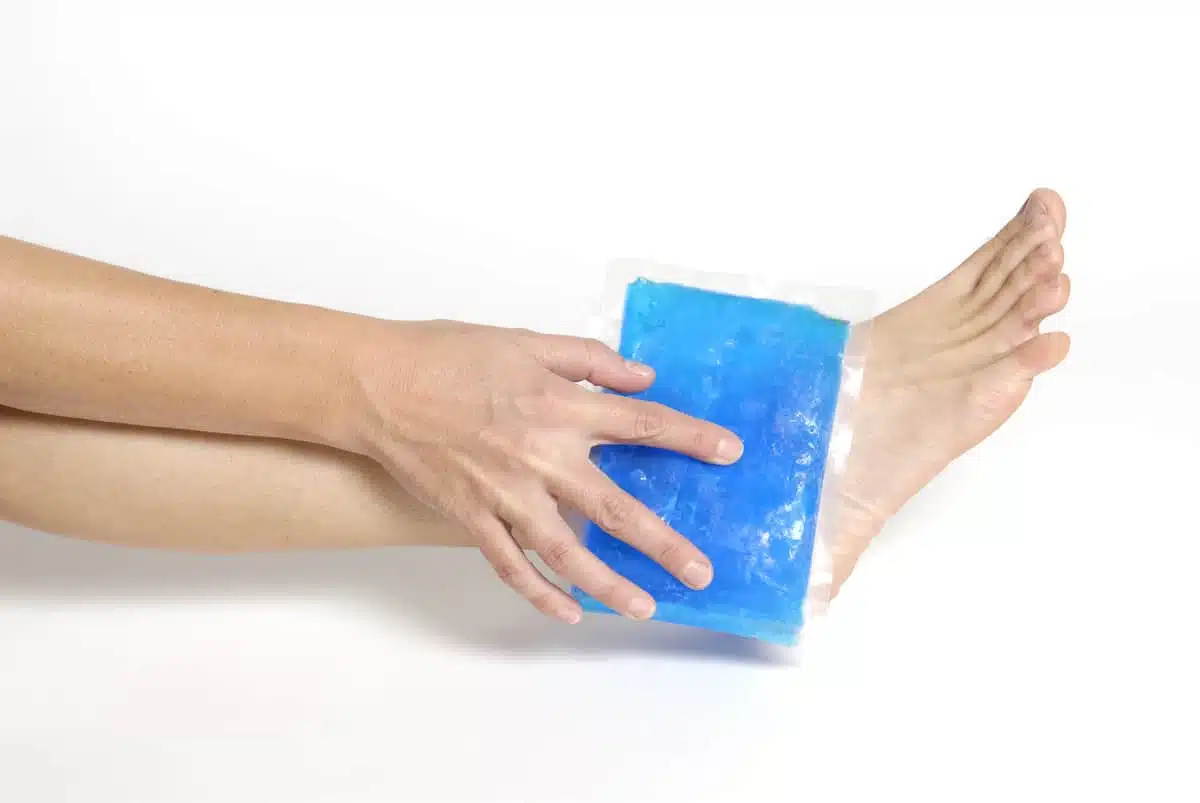
Apply ice packs to reduce inflammation and pain.
Physical Therapy
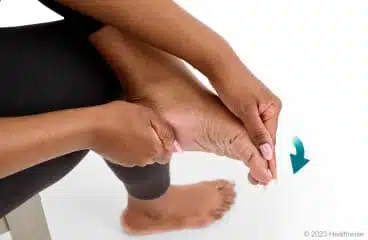
Stretching and strengthening exercises can improve tendon flexibility and foot mechanics.
Orthotics
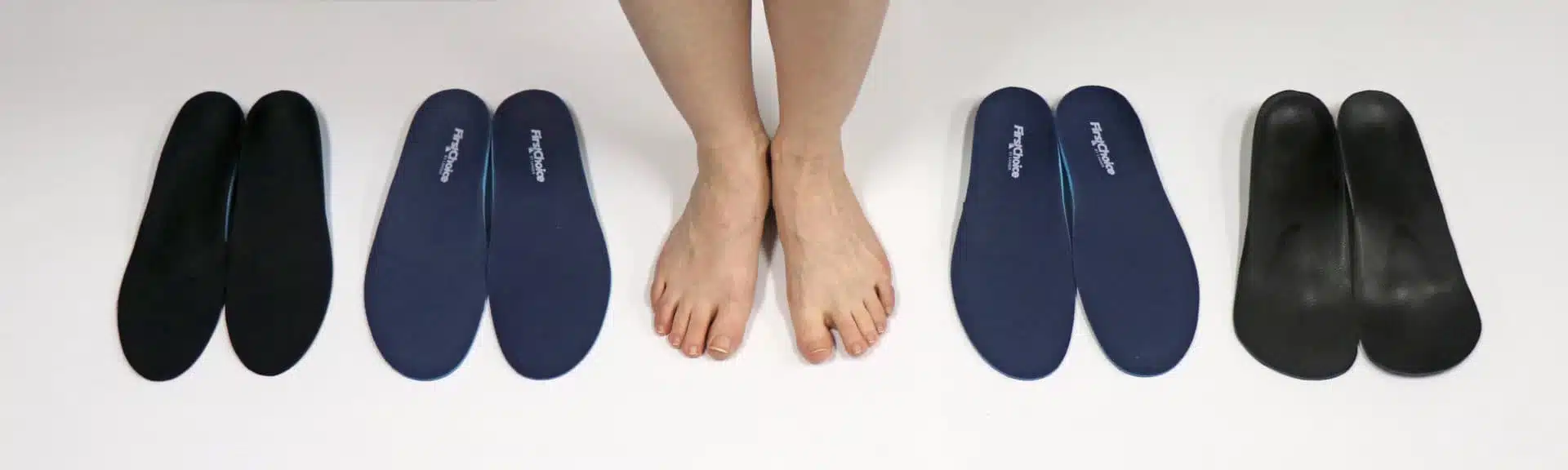
Custom orthotics may help correct biomechanical issues that are causing excess strain on the extensor tendon and muscles on top of the foot.
Medication
Non-steroidal anti-inflammatory drugs (NSAIDs) can reduce pain and inflammation.
When to See a Specialist
If pain persists beyond a few weeks or worsens, consult a chiropodist or foot specialist for a biomechanical assessment and personalized treatment plan.