Open
Open


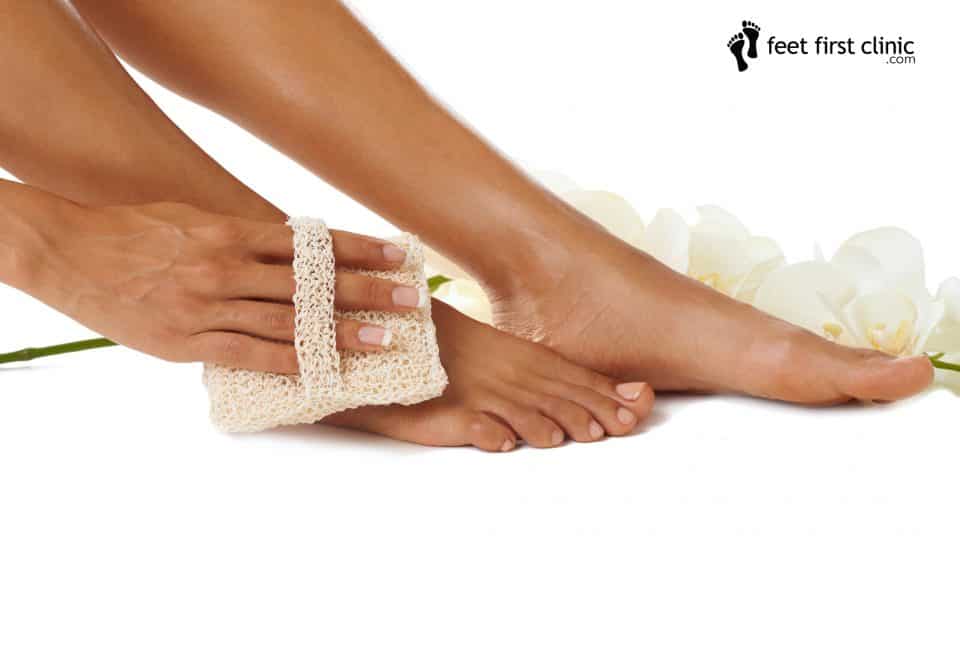
Dry, rough feet are a common problem for many people, especially those who spend long hours standing, walking, or wearing closed footwear. Over time, dead skin can accumulate on the heels, balls of the feet, and toes, leading to cracked heels, calluses, and discomfort. Fortunately, proper foot exfoliation can help keep your feet smooth, healthy, and looking their best.
In this guide, we’ll explore the best ways to exfoliate your feet safely and effectively while maintaining overall foot health.
Why Foot Exfoliation Is Important
Your feet endure significant daily stress. The constant pressure and friction from walking and standing can cause the skin to thicken as a protective response. While some thickening is normal, excessive buildup can result in:
- Dry, rough skin
- Calluses and corns
- Cracked heels
- Foot discomfort
- Increased risk of skin infections through deep cracks
Regular exfoliation removes dead skin cells, improves skin texture, and helps moisturizers penetrate more effectively.
1. Soak Your Feet Before Exfoliating
Before removing dead skin, soften it with a warm foot soak.
A simple foot soak can be made using:
- Warm water
- Mild soap
- Epsom salts (optional)
Soak your feet for 10–15 minutes to loosen dead skin and make exfoliation easier. Avoid excessively hot water, which can dry out the skin further.
2. Use a Pumice Stone
A pumice stone is one of the most effective and affordable tools for foot exfoliation.
How to Use a Pumice Stone:
- Soak your feet first.
- Wet the pumice stone.
- Gently rub callused areas using circular motions.
- Avoid excessive pressure.
- Rinse and moisturize afterward.
Pumice stones work particularly well for mild to moderate calluses on the heels and balls of the feet.
3. Try a Foot File
Foot files are designed specifically to remove thicker layers of dead skin and calluses.
Manual foot files are often more controlled than electric versions and can be highly effective when used regularly.
For best results:
- Use on softened skin.
- File gently.
- Avoid over-filing, which can lead to irritation or skin damage.
4. Use an Exfoliating Foot Scrub
Foot scrubs contain small particles that help remove dead skin cells while cleansing the skin.
Look for scrubs containing:
- Sugar crystals
- Salt crystals
- Natural exfoliants
- Moisturizing ingredients like coconut oil or shea butter
Massage the scrub into your feet for several minutes before rinsing thoroughly.
5. Apply Moisturizer Daily
Exfoliation alone is not enough. Moisturizing helps maintain healthy skin and prevents future buildup.
Ingredients that work well for dry feet include:
- Urea
- Glycerin
- Shea butter
- Ceramides
- Lactic acid
Applying moisturizer immediately after exfoliation helps lock in hydration and improve skin softness.
6. Consider Professional Callus Removal
If you have thick calluses, painful corns, cracked heels, or persistent foot discomfort, professional treatment may be the safest option.
A chiropodist can:
- Safely remove calluses
- Treat corns
- Assess underlying foot problems
- Recommend appropriate skincare products
Professional foot care is particularly important for individuals with diabetes, poor circulation, or neuropathy, who should avoid aggressive at-home exfoliation.
What to Avoid When Exfoliating Your Feet
To prevent injury and infection, avoid:
- Cutting calluses with blades or razors
- Excessive scrubbing
- Using harsh chemicals without professional guidance
- Sharing foot care tools
- Exfoliating broken or infected skin
Improper callus removal can increase the risk of infection and skin damage.
How Often Should You Exfoliate Your Feet?
Most people benefit from exfoliating their feet once or twice per week.
However, the ideal frequency depends on:
- Skin type
- Activity level
- Presence of calluses
- Existing foot conditions
Over-exfoliation can cause irritation and sensitivity, so moderation is key.
Keep Your Feet Healthy Year-Round
Regular foot exfoliation can help maintain smooth skin, reduce callus buildup, and improve overall foot comfort. Combining gentle exfoliation with consistent moisturizing is often the most effective approach.
If you’re dealing with persistent calluses, cracked heels, or foot pain, a professional foot assessment can help identify the underlying cause and provide safe, effective treatment options.
Healthy feet start with proper care—and regular exfoliation is an important part of that routine.