Open
Open


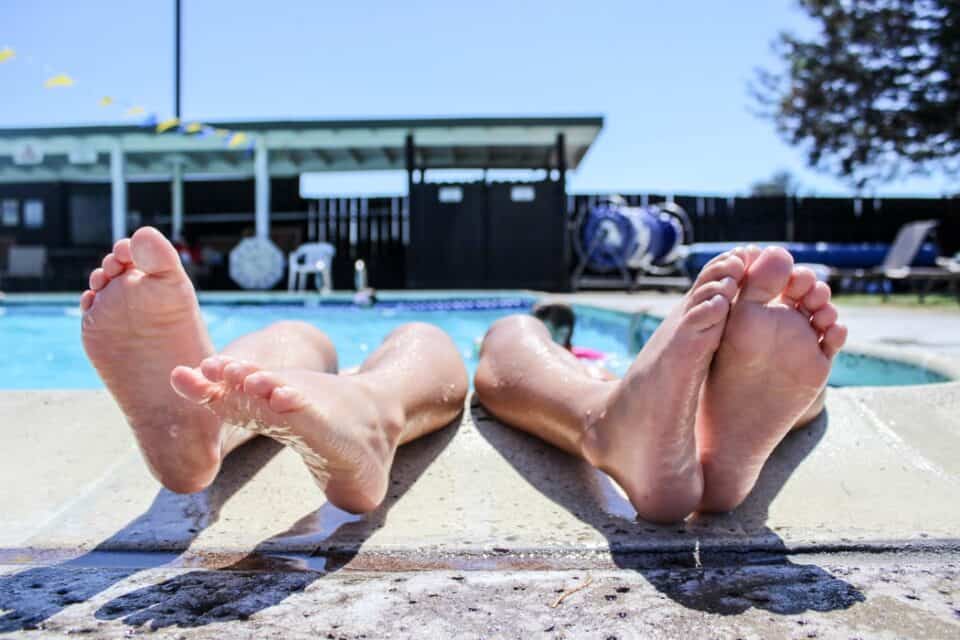
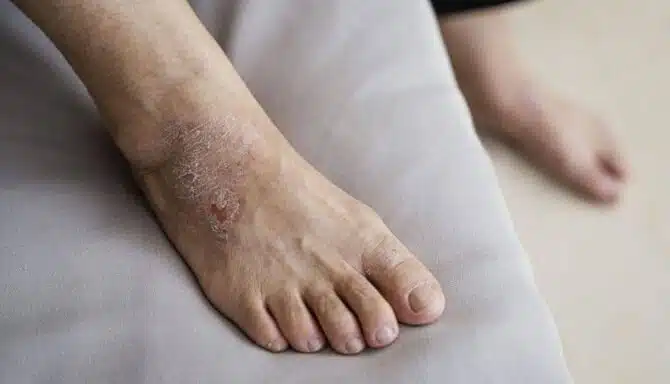
Nothing will dampen your spirits during a beautiful summer like a foot infection. You won’t feel like taking a long stroll by the beach when you have a painful plantar wart on your sole. You won’t want to head to a pool party when you have a bad toenail fungus. And you won’t want to go for a hike through a national park when the itch of your athlete’s foot is driving you up the wall.
If you don’t want to deal with a foot infection for the entire season, you should follow these simple rules:
1. Don’t Go Barefoot at the Pool
The best method of prevention of foot problems in the summer is to cover up your feet with high-quality shoes because the ground is covered with bacteria, fungi and viruses that can infect your feet. Areas that are warm, wet and have lots of visitors will be especially risky. So, you should sport protective footwear when you’re walking across the deck of the community swimming pool or using the locker room showers at the gym.
Get a pair of waterproof shoes that you can wear to the swimming pool deck, public showers and locker room. After every use, you should rinse your shoes with warm water and dry them. You should also start washing your feet and drying them with a towel after going to these locations in case any contaminants got onto your feet. Then, put on a clean pair of socks and outdoor shoes.
2. Don’t Go Barefoot at Home
You should break the habit of walking around barefoot, even at home. Other residents in your home could unknowingly transfer a contagious infection like athlete’s foot to the floor that you’re walking on every day. Wearing a pair of comfortable slippers or socks will protect your feet and prevent a frustrating cycle of infection.
3. Change Your Shoes and Socks Often
You should change your shoes and socks often if you want to avoid problems like toenail fungus and athlete’s foot. As previously stated, bacteria and fungus thrive in warm, moist conditions — this includes inside of your sweaty shoes and socks.
Whenever your socks get sweaty, change them and put on a cleaner pair. Don’t wear one pair of shoes every single day, especially if you’re exercising in them. Give them a chance to air out.
If your shoes are starting to smell like foot odour, let them dry in the sunshine to kill off the bacteria. You may also want to try an antibacterial foot and shoe deodorant spray. In addition to killing bacteria, some products also contain mild anti-fungal properties, which are great for preventing fungal growth in your footwear.
4. Don’t Share Your Shoes
Do you remember being told never to share hats in school because one of the other children could have lice and give it to you? You should give your shoes a similar treatment because sharing shoes with other people puts you at risks of contracting a toenail fungal infection or a bad case of athlete’s foot. Keep your shoes, boots, inserts, socks and everything else you put on your feet to yourself.
When you follow these essential rules, your feet will stay healthy and infection-free all summer long. You can go back to enjoying your favourite activities, whether it’s going for a walk through the neighbourhood park or taking a quick dip in the community swimming pool.
5. Moisturize Your Feet
There’s good kinds of moisture, and bad kinds of moisture. The moisture from sweat-buildup on the feet would be considered “bad” because it causes bacteria buildup, which can lead to foot odour and infection. However, if the skin on your feet is too dry, they can get small cracks. These cracks are an open portal for fungus and bacteria to penetrate and set up shop – that’s how infections start. That’s why it’s important to moisturize your feet daily with a foot cream. Moisturizing strengthens your skin barrier, which will prevent cracks that can form due to dehydration.
6. Avoid Shellac
Many people like to sport a nice pedicure to show off their feet during the summer. When doing so, it’s recommended to avoid shellac. Shellac traps in moisture, which allows fungus to thrive. Even worse, you won’t even know you have toenail fungus until you remove the shellac (and given how long shellac lasts, that could give the fungal infection a big head start). Instead, opt for regular nail polish and remove it regularly so you can inspect and monitor for any potential infection.
7. Avoid Pedicures at Salons
Did you know nail salons are one of the top breeding grounds for fungal infections? Fungal infections are relatively common at nail salons because the warm, moist environment and shared tools can allow fungi to spread if strict hygiene practices are not followed. Instruments such as nail clippers, files, and cuticle pushers can transmit fungi between clients if they are not properly sterilized, potentially leading to infections like Onychomycosis. Pedicure foot baths can also harbor microorganisms when they are not thoroughly disinfected between uses. Additionally, aggressive cuticle trimming or minor skin injuries during a pedicure can create small openings that allow fungi to enter the skin, increasing the risk of infections such as Athlete’s Foot.
Instead, to keep your feet and toenails in tiptop shape, opt for a medical foot treatment. A medical foot treatment at a foot clinic is performed by a licensed chiropodist using equipment and tools sterilized according to Health Canada standards and regulated by both Health Canada and the College of Chiropodists of Ontario. This ensures the risk of infection is practically eliminated, while giving you the added benefit of having a professional monitor your overall foot health.