Open
Open


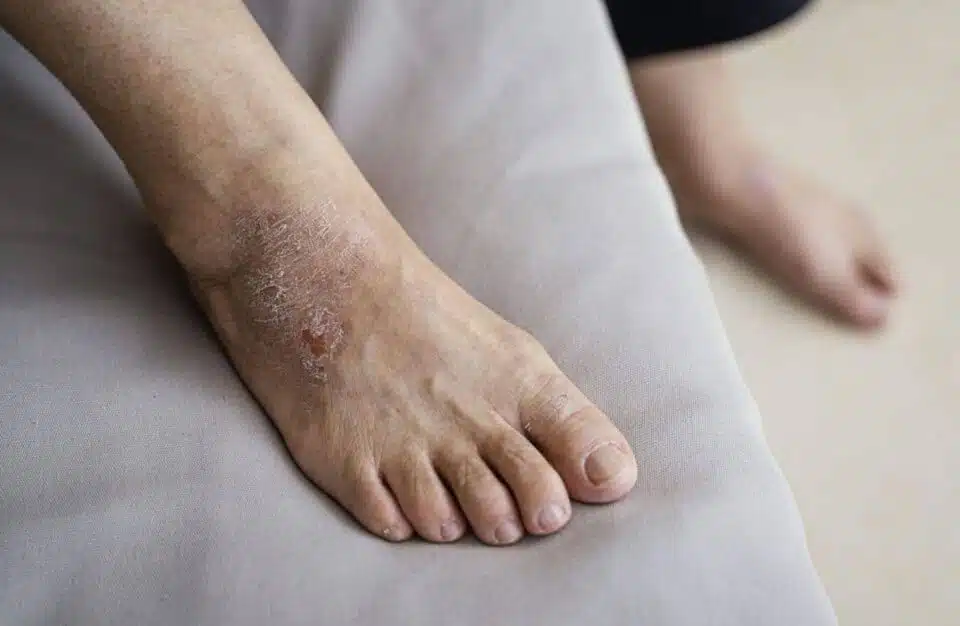
Eczema isn’t just a condition that affects your hands, arms, or face—it can also impact your feet. When eczema develops on the feet, it can be especially uncomfortable due to constant pressure, friction, and moisture from footwear. Understanding how eczema affects your feet and how to manage it is key to preventing flare-ups and maintaining healthy skin.
What Is Eczema?
Eczema, also known as atopic dermatitis, is a chronic skin condition that causes inflammation, dryness, itching, and irritation. When it appears on the feet, it may be referred to as foot eczema or plantar eczema.
Common Symptoms of Eczema on the Feet
Eczema on the feet can present in several ways, including:
- Dry, scaly, or cracked skin
- Redness and inflammation
- Intense itching or burning sensation
- Thickened skin from chronic scratching
- Small blisters (especially in dyshidrotic eczema)
- Pain when walking or standing
These symptoms often worsen in warm, sweaty environments—making shoes and socks a common trigger.
What Causes Eczema on the Feet?
Several factors can contribute to eczema flare-ups on the feet:
- Moisture and sweat buildup inside shoes
- Irritating materials like synthetic socks or poorly ventilated footwear
- Allergens such as detergents or foot care products
- Stress and immune system responses
- Genetics and a history of eczema or allergies
In some cases, foot eczema can be mistaken for fungal infections like athlete’s foot, so proper diagnosis is important.
Why Foot Eczema Needs Special Attention
Your feet endure constant pressure from walking, standing, and wearing shoes. This makes eczema more prone to:
- Cracking and bleeding
- Secondary infections
- Delayed healing due to friction
Without proper care, symptoms can become chronic and significantly impact your daily comfort.
How to Treat and Manage Foot Eczema
Managing eczema on your feet involves a combination of skincare, lifestyle changes, and professional treatment:
1. Keep Skin Moisturized
Use fragrance-free, medical-grade moisturizers daily to prevent dryness and cracking.
2. Choose Breathable Footwear
Opt for shoes made of natural materials and moisture-wicking socks to reduce sweat buildup.
3. Avoid Triggers
Identify and limit exposure to irritants like harsh soaps, detergents, or certain fabrics.
4. Practice Good Foot Hygiene
Wash your feet gently and dry them thoroughly—especially between the toes.
5. Use Medicated Treatments
Topical corticosteroids or prescription creams may be recommended to reduce inflammation.
6. Seek Professional Foot Care
A chiropodist can assess your condition, rule out infections, and provide targeted treatment options.
When to See a Foot Specialist
If your symptoms persist, worsen, or interfere with walking, it’s time to seek expert care. A foot specialist, like a chiropodist or podiatrist, can help differentiate eczema from other conditions and create a personalized treatment plan to restore your skin health.