Open
Open


March 5, 2026
What Are Ultrasound-Guided Steroid Injections?
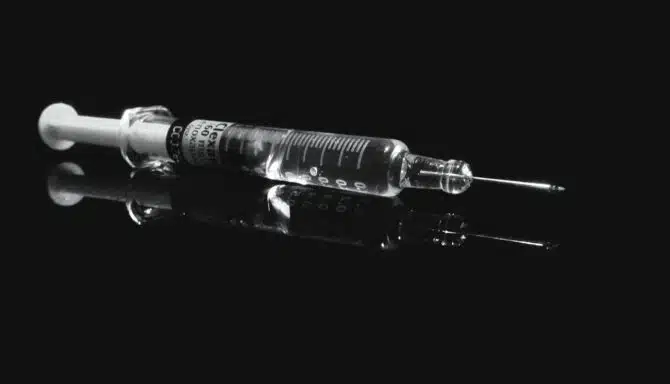
Ultrasound-guided cortisone injections are a precise, minimally invasive way to treat chronic foot and ankle pain. They combine corticosteroid medication—commonly called cortisone—with ultrasound imaging to target the exact area of inflammation.
Unlike “blind” injections, which rely on anatomical landmarks and the clinician’s feel, ultrasound guidance allows a podiatrist or chiropodist to see the tissues in real time. This ensures the cortisone reaches the injured tendon, ligament, joint, or nerve exactly where it’s needed.
This combination of precision and anti-inflammatory medication makes the treatment highly effective for conditions like:
Plantar fasciitis
Achilles tendonitis
Ankle arthritis
Neuromas (i.e.: Morton's Neuroma) or nerve irritation
How Cortisone Works
Cortisone is a synthetic steroid that mimics hormones naturally produced by your adrenal glands. Its main job in foot and ankle injections is to reduce inflammation.
Here’s what happens on a cellular level:
Cortisone suppresses inflammatory chemicals called cytokines that cause swelling and pain.
It stabilizes cell membranes in the injured tissue, preventing further irritation.
Cortisone can also reduce nerve sensitivity in the area, which helps decrease pain perception.
By directly targeting the source of inflammation, cortisone helps speed up healing and relieve chronic pain without the need for surgery.
The Role of Ultrasound in the Injection
Ultrasound guidance takes steroid injections to the next level. Using high-frequency sound waves, the clinician can see:
Tendons and ligaments
Inflamed soft tissue
Nerves
Joint spaces
This allows the injection to be delivered exactly where it’s needed, which:
Improves the effectiveness of the medication
Minimizes risk of hitting nerves, blood vessels, or healthy tissue
Reduces discomfort during the procedure
For example:
In plantar fasciitis, the cortisone is placed at the point where the plantar fascia attaches to the heel bone.
In Achilles tendonitis, the cortisone is delivered around the tendon sheath rather than the tendon itself, preventing damage to healthy tissue.
In neuromas, it targets the inflamed nerve sheath precisely, reducing pain without affecting surrounding nerves.
Why It Works: The Science
The combination of corticosteroids and its precise placement is what makes this treatment so effective.
Targeted anti-inflammatory action – By delivering cortisone directly to the inflamed tissue, the body’s natural healing process can work more efficiently.
Reduced tissue trauma – Ultrasound guidance avoids unnecessary needle trauma to surrounding tissue, allowing faster recovery.
Pain modulation – Cortisone temporarily decreases nerve irritation, which lowers pain signals sent to the brain.
Support for chronic injuries – Chronic tendon or ligament injuries often involve persistent inflammation and microtears. Cortisone helps calm inflammation so the tissue can repair itself.
In short, the science is all about precision + anti-inflammatory power: delivering cortisone exactly where it’s needed to calm inflammation, reduce pain, and support healing.
Who Can Benefit from Ultrasound-Guided Cortisone Injections?
This treatment is ideal for people with chronic foot or ankle pain that hasn’t improved with other treatments like:
Rest and activity modification
Custom orthotics or supportive shoes
Physical therapy
Anti-inflammatory medications
It’s especially helpful for plantar fasciitis, Achilles tendonitis, ankle arthritis, or nerve-related foot pain.
Ultrasound guided injections alone won't address any underlying biomechanical issues that caused the pain in the first place. Therefore, it's most effective when combined with other treatments, like custom orthotics, supportive shoes that match your foot type and gait pattern, and physiotherapy.
Bottom Line
Ultrasound-guided steroid injections are a safe, precise, and scientifically backed way to treat chronic foot and ankle pain. By combining the anti-inflammatory power of cortisone with the accuracy of real-time imaging, patients often experience faster relief and better outcomes than with traditional injections.
Feature image by nts01 from Pixabay
September 6, 2019
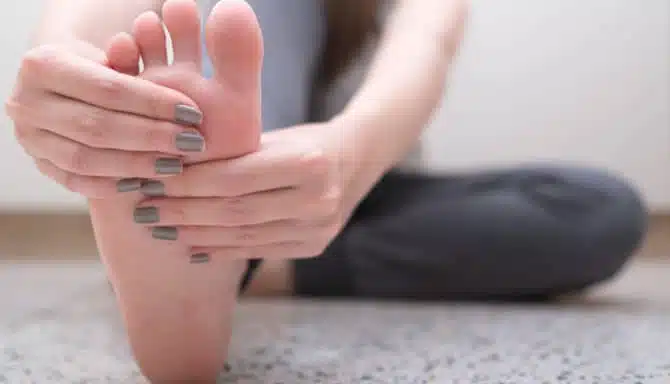
Have you walked around downtown Toronto with the feeling that you have a pebble stuck in your shoe? It can turn into a persistent nuisance that negatively impacts your daily exercise or routine. If this sounds like you, you may be experiencing a nerve compression syndrome which affects the nerves located at the base of the toes, called a neuroma.
The most common nerve to be affected is the one found at the ball of the foot, between the third and fourth toes. This nerve is naturally thicker than the rest, putting it at higher risk of developing a neuroma. A neuroma at this specific location on the foot is called Morton’s Neuroma. Irritation of the nerve at this location causes the nerve to enlarge or swell, making it more vulnerable to compressive stresses.
What Are The Symptoms Of Morton's Neuroma?
Localized pain that radiates to the toes when wearing shoes or while walking.
Feeling like you’re walking on a pebble.
Numbing, tingling, or burning sensation in your foot and feeling like you have to take off your shoes to rub it for relief.
Sharp pain in your foot.
Pain that radiates from the ball of your foot to your toes.
Photo by Artem Beliaikin from Pexels - Thank you!
What Causes Morton's Neuroma?
It is very likely that the cause of your neuroma is poor foot mechanics, with the most common one being overpronation. Overpronation is the involuntary act of rolling the ankles towards the arches as one walks. As the foot pronates more than it should, the metatarsals also move more than they should. This leads to compression and subsequent irritation of the nerves, resulting in pain and inflammation.
How Can I Treat Morton's Neuroma?
Your goals should be to:
Remove pressures from the area of concern.
Allow the nerve to heal.
Prevent future incidences of discomfort.
In summary, overhauling your footwear can make the biggest difference. Booking an appointment with a qualified foot specialist is a great next step. A chiropodist will perform a biomechanical assessment and gait analysis to identify the root cause of your Morton's neuroma. From there, they can assess your foot type, evaluate your walking pattern, and recommend appropriate footwear.
If underlying biomechanical issues are present, custom-made orthotics may be prescribed to improve foot mechanics, control pronation, and redistribute pressure away from the neuroma. These often include features like a metatarsal dome pad, which helps relieve nerve pressure by gently splaying the metatarsal bones.
For more immediate relief, over-the-counter metatarsal pads can be added to your existing insoles. Choosing shoes with a wider fit, a roomy toe box, and a lower heel can also significantly reduce discomfort and help prevent symptom flare-ups.
Finally, if more conservative treatments aren’t providing relief, ultrasound-guided steroid injections may be considered. This involves delivering a corticosteroid (a powerful anti-inflammatory) directly to the affected area while using ultrasound imaging to precisely target the nerve. By placing the medication exactly where it’s needed, this approach helps reduce inflammation around the nerve and can provide relatively fast, effective pain relief.