Open
Open


July 30, 2026
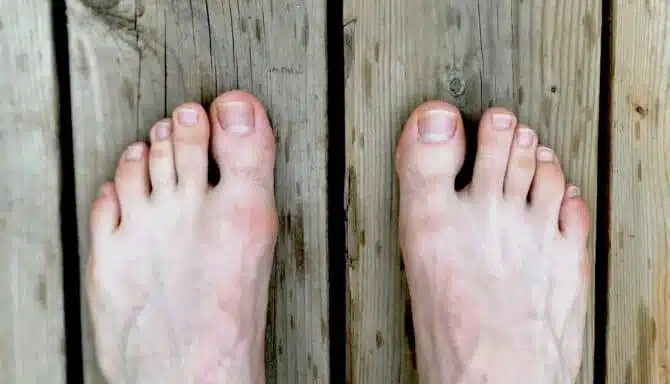
It's all in the toes.
Our toes bear the weight of the body with every step and are the foundation for our movement. The big toe specifically is the final point of contact before each step. In fact, the big toe carries most of the body weight, bearing about 40-60% of the load. The big toe also provides about 80% of the foot's total stability.
As a result, many foot injuries and toe conditions stem from, or affect, the big toe.
Maintaining good toe health is crucial for the longevity and long-term health of your feet. There are a number of different foot conditions that can result from toe neglect. Stiff toes, for example, can lead to hallux limitus or hallux rigidus.
Below you'll find a list of common toe conditions.
Claw Toe
A Claw Toe has an abnormal bend in both the middle joint and the joint closest to the tip of the toe.
Symptoms of claw toe include an upward extension from the joints at the ball of the foot and downward flexion at the middle joints toward the sole of your shoe. Claw toe comes in the shape of a bridge or a hump.
Early on, claw toe resembles a flexible hammertoe (see more below). However, over time, claw toes can stiffen. It's important to address claw toe early to reverse the deformity. One such treatment is a splint or tape to hold your toes in the correct position. You can also try a silicone toe crutch.
Finding shoes that fit correctly is also a key preventative measure. You'll notice through this article that many toe conditions can be prevented by wearing Proper Footwear. Additionally, you can use your hands to stretch and straighten your toes, and perform exercises including picking up marbles or a towel to strengthen local ligaments and tendons.
Subungual Hematoma
A subungual hematoma is a medical term for a Black Toenail.
A black toenail occurs when the skin below the nail is damaged. Long-distance runners are particularly susceptible to black toenails because of the friction to the top of the foot, as well as the duration of the activity.
Immediately after injuring your toe, you need to reduce the pain and swelling. First, wrap a clean bandage around the toe to stem the blood. Put a bag of ice or cold compress on the covered injury - ideally putting a plastic cover above the band-aid to prevent it from getting wet. Then lie down and elevate you foot so it is resting above your heart, to again stem the blood flow. Finally, avoid doing any strenuous activity for the next 3-5 days and avoid wearing shoes that touch the affected area. It is ideal to do Epsom foot soaks every day and change the band-aid daily for the next 3-5 days. If bleeding does not stop after 5 days, contact your chiropodist or podiatrist. If the nail is lifting and causing pain, see your chiropodist to have it gently cut back and to prevent further injury.
Turf Toe
Turf toe is a sprain of the big toe joint resulting from injury during sports activities.
This acute injury typically occurs from jamming the toe. Turf toe includes pain, swelling and limited joint movement. Following the PEACE & LOVE protocol is beneficial. In the first 1-3 days follow PEACE: Protect, Elevate, Avoid anti-inflammatories, Compress and Educate. After the acute phase, promote healing with LOVE: Load (gentle movements), Optimism back to activity, Vascularisation (cardio) and Exercise. Additionally, wear stiff or rocker bottom footwear to limit flexion of the toe and to keep it isolated and neutral while walking. Taping the toe with semi-flexible sports tape can also aid in keeping the toe at a neutral angle while its healing.
The biggest concern here is either not addressing the injury, or rushing back to activity too quickly. Without the proper treatment, turf toe can turn into hallux limitus.
Hallux Rigidus
Osteophyte (bone spur) on top of the left first metatarsophalangeal joint (MTPJ) due to hallux rigidus.
Translated to a stiff big toe, hallux rigidus is a progressive condition that stems from osteoarthritis in the big toe. It causes pain and stiffness in the joint and over time, the toe loses flexibility.
As the cartilage at the first metatarsophalangeal joint (MTP) breaks down, the metatarsal bones and the proximal bones rub together. This friction, as well as the body's response to fill the void left by osteoarthritis results in the formation of a bone spur.
In this case, its important to recognize early signs of Hallux rigidus which is Hallux limitus. During the hallux limitus stage, it is crucial to improve and maintain the range of motion in the toes to prevent it from progressing. This may include investing in a pair of custom made orthotics or proper fitting footwear.
Hammertoe
Hammertoe is a progressive toe condition that worsens if left untreated. In short, hammertoe is a toe deformity of one or both joints of the second, third, fourth or fifth (little) toes. You'll see one of the toes shift and cross over another toe.
Hammertoe can develop from wearing ill-fitting shoes, especially footwear that is too small or has a tight toe box. The lack of space forces the toes into a bent position, which can eventually cause changes in the tendons and ligaments. Hammertoes can also occur alongside a bunion, as the smaller toes may overcompensate for changes in foot mechanics. Fortunately, addressing the cause quickly can be extremely effective.
Treatment includes:
Corn pads
Stretching and strengthening your toe and toe and foot muscles
Roomier footwear
Custom orthotics that help reposition and take the pressure off of your toes
Surgery
Metatarsal pads
Left untreated, hammertoe can worsen and require surgery. If your toes appear bent or you are experiencing toe mobility, visit one of our licensed chiropodists (foot specialists) as soon as it's safe to do so.
Drop-in shoe fitting for hammertoe is also offered.
Gout
Gout is a common and complex form of arthritis that often begins in the big toe.
It's often known as the "disease of kings" or "rich man's disease" because it's prevalent in older men, as well as those who eat meat or seafood, drink beer, or are overweight.
It's characterized by sudden, severe attacks of pain, swelling, redness and tenderness in the joints. Gout looks like a swollen bunion on the outside of the big toe. Gout can have symptoms similar to conditions such as Hallux Limitus, Hallux Rigidus, or an inflamed Bunion. However, a key difference is that gout pain often worsens at night and can be extremely sensitive to light pressure, such as bedsheets touching the area. In contrast, hallux limitus, hallux rigidus, or bunions typically cause pain with joint movement or when wearing certain footwear. A definitive diagnosis of gout usually requires medical testing, such as bloodwork, joint aspiration, or imaging like X-rays or CT scans.
To help prevent gout, you can follow these preventative measures:
Drink plenty of fluids
Limit or avoid alcohol
Get your protein from low-fat dairy products
Limit your intake of meat, fish and poultry
Maintain desirable body weight
Ingrown Toenails
An Ingrown Toenail occurs when the side of the toenail curls down and pierces the flesh of the toe as the nail grows. Untreated ingrown toenails can easily become infected.
To start, you’ll want to focus on treatment, and then prevention.
Place a spacer or splint under the ingrown edge of the toenail
Soak feet in Epsom salt and water bath at home to flush out the infection and manage pain and inflammation
Trim the ingrown portion of the nail
In recurring cases, surgical removal (outpatient) of part of your toenail
If your toenail becomes infected you may need topical or oral antibiotics
Prevention includes:
Avoid shoes that crowd your toes
Trim your toenails straight across and file the corners
Avoid injury to your toenails
Sometimes improper foot mechanics or tight footwear can cause excessive callus buildup between the skin and the nail. This buildup can become inflamed and painful, often feeling similar to an ingrown nail even though the nail itself is not growing into the skin.
Blisters
Blisters are among the most common toe conditions. Although common, blisters typically are not serious and can be treated immediately for relief within a few days. Blisters are small, fluid-filled bubbles on the upper most layer of the skin. Friction against your skin and your socks and shoes causes your skin to form small bubbles to prevent further damage to the underlying skin. More serious blisters may contain blood as the vessels at the surface of your skin burst.
These skin conditions typically heal themselves within a few days. However, it’s advised to cover blisters either with a basic bandage, tape, or a Band-aid, all of which are available at our Toronto foot clinic. These measures are simply to prevent unwanted popping of the blister and to shield your skin from friction.
To schedule best foot care treatment with our licensed Chiropodists (foot specialists), use the booking form at the bottom of this page or call 416-769-FEET(3338).
Bunions
A Bunion is a deformity of the metatarsophalangeal (MTP) joint. A bony bump protrudes from the base of the big toe causing pain, redness, and sometimes even swelling. Bunions are atop the list of most common toe problems. It affects about 23% of adults. The common age range of onset is 20-50, and women are more commonly affected than men.
Like hallux rigidus and other progressive foot conditions, a bunion is irreversible once it starts. So you can’t reverse what’s already been down, but you can take measures to slow down the deformity over time. The sooner you address the problem, the slower the rate of bunion growth.
Do you have a bunion or hallux rigidus? Read: Hallux Rigidus or Bunions: What's the Difference?
Measures to help slow a bunion’s progression include:
Proper Footwear
A foot assessment for Custom Orthotics
Over-the-counter footcare products
Surgery is also an option. Typically, surgery includes removing the protruding portion of the bone, and re-aligning the joints in the big toe. Surgery is considered a last-resort option for advanced bunions that cause significant pain and have not improved with conservative treatments. Like with any foot condition, educate yourself on the pros and cons of surgery to determine: Is Foot Surgery Worth It? But, there’s still hope for those with bunions. Check out these Effective Ways That you Can Treat Your Bunion Pain.
A bunion’s sibling: A bunionette
Similarly, a Bunionette (or tailor’s bunion) is a bunion on the opposite side of the foot. A bunionette appears on the pinkie toe and affects the fifth metatarsal. It’s smaller than a bunion, but still appears as a bump. Pain associated with a bunionette occurs on the outside of the foot, and tight shoes may exacerbate the condition. Shoes with narrow toe boxes are particularly problematic for those with a bunionette. Narrow toe boxes increase friction against the bony protrusion. The causes of a bunionette are classified as either intrinsic or extrinsic.
Bunionettes can appear more pronounced after pregnancy due to the hormone relaxin and increased weight gain, which can cause the foot to flatten. This is why many women notice their feet feel larger or wider postpartum.
Causes include:
External pressure on the forefoot
Tight shoes
Genetics
Foot anatomy
Faulty mechanics
Bunion and bunionette treatment is similar. As such, properly-fitting shoes are an essential step. Additionally, stretching your shoe can provide benefits as it artificially provides additional toe room. This allows your bunionette more space in the shoe.
Remember, our bodies begin at our feet. Take proper care through the various methods mentioned in this article to prevent toe conditions from occurring.
June 18, 2026
Your legs are involved in every aspect of movement. They're the foundation of your body, and act as shock absorbers. Our reliance on our legs cannot be overstated. It's crucial we take proper leg and foot pain management to avoid common foot conditions.
Overwhelmingly, there are some common foot conditions that are more prevalent than others. These are either injuries or conditions that a large portion of the population experiences once, or repeatedly. To put you on the right track, we've rounded up 10 common foot conditions. Note that these are listed in no particular order.
1. Bunions
A bunion is perhaps the widest known foot condition. A bunion is an enlargement on the outside of the big toe. The enlargement can be a bony outgrowth, or a shift in your big toe. Often the base of the metatarsal shifts outwards (meaning your toe points inwards), and a bunion results because of the deformity.
You may develop bunions through any of the following reasons:
Your foot is shaped in a way that makes you more likely to have bunions
Your foot rolls overly inwards when you walk
Flat feet
Tight footwear
Fortunately, a physical therapy regimen, over-the-counter products, and proper footwear enables you to live with bunions without surgery.
2. Athlete's Foot
Athlete's foot is a contagious fungal skin infection that affects the skin on soles of feet and between toes. The fungi that causes athlete's foot is commonly found in moist places, like shared showers and locker rooms.
Athlete’s foot typically presents as a translucent white moist skin between the toes on one or both feet. To treat the condition, you can use over-the-counter products including medicated creams, ointments, sprays, and powders. If over-the-counter products don't work, then you will need prescription anti-fungal creams and sprays. The sooner you start treatment, the better the outcome, so it's important to be vigilant and seek treatment at the first signs of infection before it spreads.
3. Ingrown Toenails
An Ingrown Toenail occurs when the nail begins to grow into the skin. In mild cases, you may be able to treat ingrown toenails yourself. However, this can also make the ingrown toenail worse. Unless your ingrown toenail is in the early mild stages, it's usually best to consult a chiropodist for treatment.
Typically, wearing tight shoes, cutting your nails too short, or not across, and injuring your toenail can cause an ingrown toenail. Home remedies include soaking your feet in warm water, wearing proper footwear, taking anti-inflammatories, and placing dental floss under the edge of the toenail.
If the ingrown toenail is serious, surgery is performed. The surgery consists of numbing the toe with a local anaesthetic, then removing either one side of the whole toenail down to the matrix, and finally, applying a chemical to the nail root to prevent regrowth. Fortunately, a chiropodist can treat most ingrown toenails non-surgically simply by removing the ingrown portion of the toenail and then trimming and filing the toenails to encourage healthy nail growth.
4. Black Toenails
Black toenails may be rare to the majority of the population, but are common among runners. The repeated nature of running puts your toenails at risk due to impact and friction. Typically, black toenails result from a blister and bleeding underneath the toenail. The most common cause is tight footwear, and from undulating terrain as downhill running adds pressure on your toes.
You might also get a black toenail because of trauma to the toe. Occasionally, a black toenail will fall off.
Here's everything you need to know about black toenails including treatment and prevention.
5. Plantar Fasciitis
Plantar fasciitis can be a real pain...in the heel.
This foot condition involves inflammation of a thick band of tissue that connects your heel with your toes - the plantar fascia. Plantar fasciitis can cause sharp pain in the heel, especially in the morning.
Runners are especially prone to plantar fasciitis because of the repeated stress to the plantar fascia. Common treatment and preventative measures include self-massage with a golf ball, anti-inflammatories, and if necessary, custom orthotics.
6. Nail Fungus
The toes are particularly susceptible to nail fungus because fungi thrive in dark, moist places. Since many of us wear shoes for hours every day, one can understand how nail fungus comes about.
Common symptoms of nail fungus include yellowing and thickening of the toenail, brittleness, and sometimes an unpleasant odour. For early or mild cases of nail fungus, you can use a topical antifungal cream. Over-the-counter solutions do not typically work for toenail fungus as the nail blocks medication from penetrating the nailbed. Therefore, it's recommended to see a chiropodist for treatment at the first sight of symptoms.
To prevent nail fungus, wash and dry your feet regularly, don't share nail clippers, avoid being barefoot in public facilities, and keep your toenails short, but not too short.
7. Bone Spurs
Bone spurs are bony outgrowths, typically in areas prone to osteoarthritis. The most common forms of bone spurs in the foot include heel spurs, and a bone spur on top of the first metatarsophalangeal joint (MTJ). The latter is a common spot. Stiffness and arthritis in the big toe leads to a condition known as hallux rigidus.
Bone spurs inherently reduce flexibility and can be quite painful. With treatment including proper footwear, people can live normally with bone spurs without needing surgery. You should note that bone spurs are progressive meaning there's no reversal of impact and damage done.
8. Corns
Corns are like calluses, except that corns can be painful. A corn is an area of hardened skin that develops on areas of the feet that sustain too much compression.
A corn has a few hot spots: between your toes, the outer edge of your little toe, and on top of the toes.
Corns are removable. A chiropodist can safely remove the build-up of hardened skin and assess whether Orthopedic Shoes or Custom Orthotics may be indicated to prevent their recurrence. In severe cases, recurring corns can also be surgically removed by biopsy punch.
9. Blisters
Blisters are more of an annoyance than anything. This minor foot condition occurs when the skin is aggravated. Because of this friction, a small fluid-filled bubble on the skin forms.
Fortunately, most blisters heal on their own. To ensure there are no complications, you can cover the blister with an adhesive bandage or blister pad. Common tricks to avoid blisters include using baby powder for sweaty feet, proper moisture-wicking socks, and wearing shoes that fit.
10. Gout
Gout affects roughly 3 million Canadians each year.
This condition is a form of arthritis that can develop rapidly. The painful condition involves swelling and tenderness of joints. Gout is most common at the base of the big toe.
According to the Mayo Clinic, "gout occurs when urate crystals accumulate in your joint, causing the inflammation and intense pain of a gout attack. Urate crystals can form when you have high levels of uric acid in your blood." Foods that can lead to high levels of urate are red meats, seafood, refined or processed carbohydrates, sugary drinks and alcohol such as beer and hard liquor.
May 21, 2026
Nothing will dampen your spirits during a beautiful summer like a foot infection. You won’t feel like taking a long stroll by the beach when you have a painful plantar wart on your sole. You won’t want to head to a pool party when you have a bad toenail fungus. And you won’t want to go for a hike through a national park when the itch of your athlete’s foot is driving you up the wall.
If you don’t want to deal with a foot infection for the entire season, you should follow these simple rules:
1. Don’t Go Barefoot at the Pool
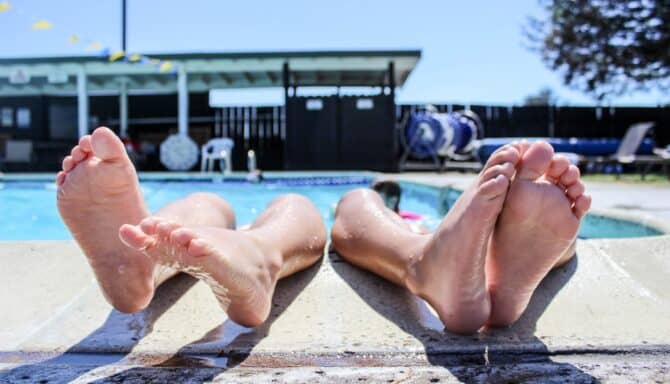
The best method of prevention of foot problems in the summer is to cover up your feet with high-quality shoes because the ground is covered with bacteria, fungi and viruses that can infect your feet. Areas that are warm, wet and have lots of visitors will be especially risky. So, you should sport protective footwear when you’re walking across the deck of the community swimming pool or using the locker room showers at the gym.
Get a pair of waterproof shoes that you can wear to the swimming pool deck, public showers and locker room. After every use, you should rinse your shoes with warm water and dry them. You should also start washing your feet and drying them with a towel after going to these locations in case any contaminants got onto your feet. Then, put on a clean pair of socks and outdoor shoes.
2. Don’t Go Barefoot at Home
You should break the habit of walking around barefoot, even at home. Other residents in your home could unknowingly transfer a contagious infection like athlete’s foot to the floor that you’re walking on every day. Wearing a pair of comfortable slippers or socks will protect your feet and prevent a frustrating cycle of infection.
3. Change Your Shoes and Socks Often
You should change your shoes and socks often if you want to avoid problems like toenail fungus and athlete’s foot. As previously stated, bacteria and fungus thrive in warm, moist conditions — this includes inside of your sweaty shoes and socks.
Whenever your socks get sweaty, change them and put on a cleaner pair. Don’t wear one pair of shoes every single day, especially if you’re exercising in them. Give them a chance to air out.
If your shoes are starting to smell like foot odour, let them dry in the sunshine to kill off the bacteria. You may also want to try an antibacterial foot and shoe deodorant spray. In addition to killing bacteria, some products also contain mild anti-fungal properties, which are great for preventing fungal growth in your footwear.
4. Don’t Share Your Shoes
Do you remember being told never to share hats in school because one of the other children could have lice and give it to you? You should give your shoes a similar treatment because sharing shoes with other people puts you at risks of contracting a toenail fungal infection or a bad case of athlete’s foot. Keep your shoes, boots, inserts, socks and everything else you put on your feet to yourself.
When you follow these essential rules, your feet will stay healthy and infection-free all summer long. You can go back to enjoying your favourite activities, whether it’s going for a walk through the neighbourhood park or taking a quick dip in the community swimming pool.
5. Moisturize Your Feet
There's good kinds of moisture, and bad kinds of moisture. The moisture from sweat-buildup on the feet would be considered "bad" because it causes bacteria buildup, which can lead to foot odour and infection. However, if the skin on your feet is too dry, they can get small cracks. These cracks are an open portal for fungus and bacteria to penetrate and set up shop - that's how infections start. That's why it's important to moisturize your feet daily with a foot cream. Moisturizing strengthens your skin barrier, which will prevent cracks that can form due to dehydration.
6. Avoid Shellac
Many people like to sport a nice pedicure to show off their feet during the summer. When doing so, it's recommended to avoid shellac. Shellac traps in moisture, which allows fungus to thrive. Even worse, you won't even know you have toenail fungus until you remove the shellac (and given how long shellac lasts, that could give the fungal infection a big head start). Instead, opt for regular nail polish and remove it regularly so you can inspect and monitor for any potential infection.
7. Avoid Pedicures at Salons
Did you know nail salons are one of the top breeding grounds for fungal infections? Fungal infections are relatively common at nail salons because the warm, moist environment and shared tools can allow fungi to spread if strict hygiene practices are not followed. Instruments such as nail clippers, files, and cuticle pushers can transmit fungi between clients if they are not properly sterilized, potentially leading to infections like Onychomycosis. Pedicure foot baths can also harbor microorganisms when they are not thoroughly disinfected between uses. Additionally, aggressive cuticle trimming or minor skin injuries during a pedicure can create small openings that allow fungi to enter the skin, increasing the risk of infections such as Athlete's Foot.
Instead, to keep your feet and toenails in tiptop shape, opt for a medical pedicure. A medical pedicure at a foot clinic is performed by a licensed chiropodist using equipment and tools sterilized according to Health Canada standards and regulated by both Health Canada and the College of Chiropodists of Ontario. This ensures the risk of infection is practically eliminated, while giving you the added benefit of having a professional monitor your overall foot health.
February 5, 2026
If you are like most people, you want your feet to stay healthy and pain free. However, even with the best intentions, many people unknowingly develop habits that can damage their feet over time.
From improper nail trimming to walking barefoot in public spaces, foot care mistakes are more common than you might think. The good news is that most of these issues can be prevented with proper education and routine care.
Below, our team of experienced chiropodists at Feet First Clinic outlines the top five most common foot care mistakes and how to avoid them. We specialize in preventive foot care and the treatment of both common and complex conditions, offering services such as routine care, assessments, and custom orthotics.
1. Cutting Your Toenails Incorrectly
Toenail trimming may seem simple, but doing it improperly can lead to painful ingrown toenails and infections. Cutting nails too short, rounding the edges, or cutting into the cuticle increases the risk of the nail growing into the surrounding skin.
To reduce this risk, soften your nails by soaking them in warm water before trimming. Always cut straight across and avoid cutting too close to the skin. If you develop a painful or infected ingrown toenail, it is important to seek professional care promptly.
Another common mistake when it comes to ingrown toenails: trying to treat them yourself or at a salon. Some of the worst ingrown toenails we've seen at the clinic are due to botched DIY attempts. If your toenail is ingrown, especially if it's irritated, it's recommended that you book an appointment immediately with a chiropodist; they're trained to treat ingrown toenails properly and prevent them from getting worse. A chiropodist will also trim your toenails so that they grow back properly and straight.
2. Walking Barefoot in Damp Areas
Many people walk barefoot in public locker rooms and showers. Although this may not seem like a huge issue to some people, doing this can seriously harm your feet. It's recommended to wear some sort of protective footwear while you’re walking in moist areas.
Some examples of reliable footwear include:
Sandals
Flip-flops (just for those public spaces)
Water shoes
Shower shoes
Doing this is important for preventing issues like toenail fungus. This will cause your nails to become yellow, thick and foul-smelling; they may even fall off! Men tend to have a higher chance of developing foot fungus, along with elderly people and individuals that suffer from athlete’s foot. Once fungus gets underneath the toenail, it becomes very difficult to treat; at-home treatment is typically ineffective. This is because the toenail blocks anti-fungal medication from penetrating and reaching the fungus. That's why it's important to see a chiropodist at the first sign of toenail fungus. They can debride the toenail to make it easier for anti-fungal medication to penetrate to the fungus living in the nailbed.
Walking barefoot in public places can also cause warts. Warts are a contagious virus that spreads when bare skin comes into contact with an infected surface. The wart-causing virus especially thrives in warm, damp places, like locker room floors and the puddles on pool decks. Left untreated, warts can multiply and spread to other people. Sometimes you can treat warts in the early stages with over-the-counter treatments. However, if those are ineffective, it's recommended to see a chiropodist to eradicate your warts once and for all. Unlike family doctors and dermatologists, chiropodists can debride the dead skin and callus that forms over the wart, which helps the treatment penetrate through the wart tissue and treat the warts faster.
3. Ignoring Early Signs of Foot Problems
Many people dismiss early symptoms such as redness, thickened nails, calluses, or mild discomfort. Unfortunately, delaying treatment often allows minor issues to develop into more serious foot conditions.
Addressing concerns early can prevent pain, reduce complications, and keep your feet healthy long term.
4. Wearing Poorly Fitting Footwear
Did you know that between 63% to 72% of the population are wearing shoes that don't fit correctly? Shoes that are too tight, too loose, or lacking proper support can contribute to problems such as blisters, corns, bunions, and heel pain. While style may be important, proper fit and support should always be the priority.
Well fitted footwear helps support proper foot function and reduces strain on the feet, ankles, knees, and lower back. It's also important to make sure your shoes accommodate your foot type and gait pattern. If you don't know your foot type, you can get a biomechanical assessment with a chiropodist to find out.
5. Skipping Preventive Foot Care
Many people only think about foot care when pain develops. Regular foot assessments, proper hygiene, and preventive treatment are essential for maintaining healthy feet, especially for individuals with diabetes or circulation concerns.
Routine visits to a chiropodist can help identify potential problems early and keep your feet comfortable and functional. Something as simple as a medical pedicure can go a long way.
November 13, 2025
Toenail fungus is a common foot problem that affects people of all ages, but the risk increases significantly as we grow older. Understanding the connection between age and toenail fungus can help you take steps to protect your foot health and maintain strong, healthy nails throughout your life.
Why Does Toenail Fungus Become More Common with Age?
Several factors make older adults more susceptible to toenail fungal infections:
1. Reduced Immune Function
As we age, our immune system naturally weakens, making it harder for the body to fight off infections, including fungal infections.
2. Slower Nail Growth
Toenails grow more slowly with age, which means fungi have more time to settle and multiply before the nail is naturally shed.
3. Poor Circulation
Aging often comes with reduced blood flow, especially to the extremities. Poor circulation means fewer nutrients and immune cells reach the toenails, impairing the body’s ability to fight infections. Poor circulation also disrupts the toenail growth and moisturization process. This makes toenails more dry and brittle, which makes it easer for fungal infections to penetrate the toenail and set up shop.
4. More Exposure and Wear
Years of nail trauma, tight footwear, or minor injuries can create entry points for fungi.
5. Other Health Conditions
Older adults are more likely to have conditions like diabetes or vascular disease that increase the risk of fungal infections.
Common Symptoms of Toenail Fungus
Thickened nails
Discoloration (yellow, brown, or white spots)
Brittleness or crumbling of the nail edges
Distorted nail shape
Unpleasant odor in some cases
Separation of the nail from the nail bed (onycholysis)
Prevention Tips for Older Adults
Maintain Good Foot Hygiene
Wash feet daily and dry thoroughly, especially between toes.
Keep nails clean and trimmed straight across.
Avoid nail salons. Improperly sanitized tools and foot baths can result in the spread of fungus from other patrons. Instead, opt for a medical pedicure at a foot clinic by a chiropodist.
Wear Proper Footwear
Choose breathable shoes with enough room to avoid pressure on nails.
Avoid walking barefoot in communal areas such as pools or locker rooms.
Manage Underlying Health Conditions
Control diabetes, circulatory problems, and other health issues with your healthcare provider.
Regular Foot Inspections
Check your feet and nails regularly for changes or signs of infection.
You can also get routine medical pedicures by a chiropodist. A chiropodist will monitor your foot health and notice the first signs of any infection.
Consult a Specialist Early
At the first sign of nail changes or discomfort, see a foot care professional for diagnosis and treatment.
Treatment Options for Toenail Fungus
Treatment may include topical antifungal creams, oral medications, laser therapy, or in severe cases, removal of the affected nail. Early intervention improves the chances of successful treatment.
Treating toenail fungus with over-the-counter medication is often ineffective because the toenail blocks medication from penetrating the nail bed. Instead, it's recommended to see a chiropodist at the first signs of a fungal infection. The chiropodist can debride the toenail, which allows prescription antifungal medication to penetrate the nail bed and attack the fungus.

October 16, 2025
Diabetes is a chronic condition that affects many parts of the body, including your feet and toenails. Proper foot care is especially important for people with diabetes because they are at a higher risk of developing complications that can impact mobility and overall health. Understanding how diabetes affects toenails can help you prevent problems and maintain healthy feet.
Why Diabetes Impacts Toenail Health
People with diabetes often experience poor circulation and nerve damage (neuropathy) in their feet. These issues make it harder for wounds and infections to heal and can reduce sensation, so small injuries or infections may go unnoticed. Toenails can also become more vulnerable to damage, infections, and deformities.
Common Toenail Problems in People with Diabetes
1. Fungal Infections
Diabetes can weaken the immune system, making it easier for fungal infections like athlete’s foot or toenail fungus to develop. Fungal toenails may become thickened, discolored, brittle, and painful.
In addition, good circulation is required for the natural moisturization processes in the toenails and feet. Diabetes disrupts blood flow to the feet, which means they can't properly moisturize themselves. This dries out the toenails and causes them to become brittle. It also dries out the skin, which can cause small cracks and abrasions. Fungus can then more easily penetrate through brittle cracked toenails and abrasions. Once it does, it's harder for your body to fight the infection due to diabetes' affect on the immune system.
2. Ingrown Toenails
Reduced sensation means small cuts or ingrown toenails might not be felt immediately, increasing the risk of infection. Ingrown toenails can cause redness, swelling, and pain if left untreated.
3. Toenail Discoloration and Deformities
Poor circulation and infections may cause toenails to change color, thicken, or become deformed. This is because circulation is required to facilitate the toenail growth process. When this process is disrupted, it causes nail cells to build up on top of each other rather than beside each other, which causes thickening and an irregular toenail shape. This can make nail trimming difficult and increase the risk of injury.
4. Delayed Healing
Any cuts or injuries around the toenails heal more slowly in people with diabetes, increasing the chance of complications like ulcers or infections.
Tips for Preventing Toenail Problems with Diabetes
Practice Good Foot Hygiene
Wash your feet daily with warm water and mild soap.
Dry your feet thoroughly, especially between the toes.
Keep Toenails Trimmed and Clean
Cut nails straight across to prevent ingrown toenails.
Avoid cutting nails too short or rounding the corners.
Wear Proper Footwear
Choose shoes with a wide toe box and good support.
Avoid tight or narrow shoes that can cause pressure and injury.
Regular Foot and Toenail Checks
Inspect your feet daily for cuts, blisters, redness, or swelling.
Have a healthcare professional, like a chiropodist, examine your feet regularly.
Manage Blood Sugar Levels
Keeping blood glucose under control supports overall foot health and healing.
When to See a Foot Specialist
It is recommended that people with diabetes include a chiropodist in their healthcare team and see them on a routine, ongoing basis for diabetic foot care. When it comes to diabetes, prevention is the best treatment.
If you notice any signs of infection, persistent pain, changes in nail appearance, or wounds that don’t heal, it’s essential to seek professional care promptly. Early intervention can prevent serious complications, including foot ulcers and infections that may lead to amputation.