Open
Open


The average person will spend 90,000 hours at work over a lifetime. To put that into perspective, that’s more than 10 cumulative years in equivalent time.
In fact, you may spend more time at work or on the job than at any other aspect of your life (with the exception of sleeping).
With such great time spent working, your job can have a huge impact on your feet, and quality of life. It’s not only the type of work but also the shoes you wear. Whether it’s a formal environment, or whether you wear steel-toed boots in a blue-collar industry, your job affects your feet and can have a major bearing on your body (and vice versa).
Different Careers = Different Foot Needs
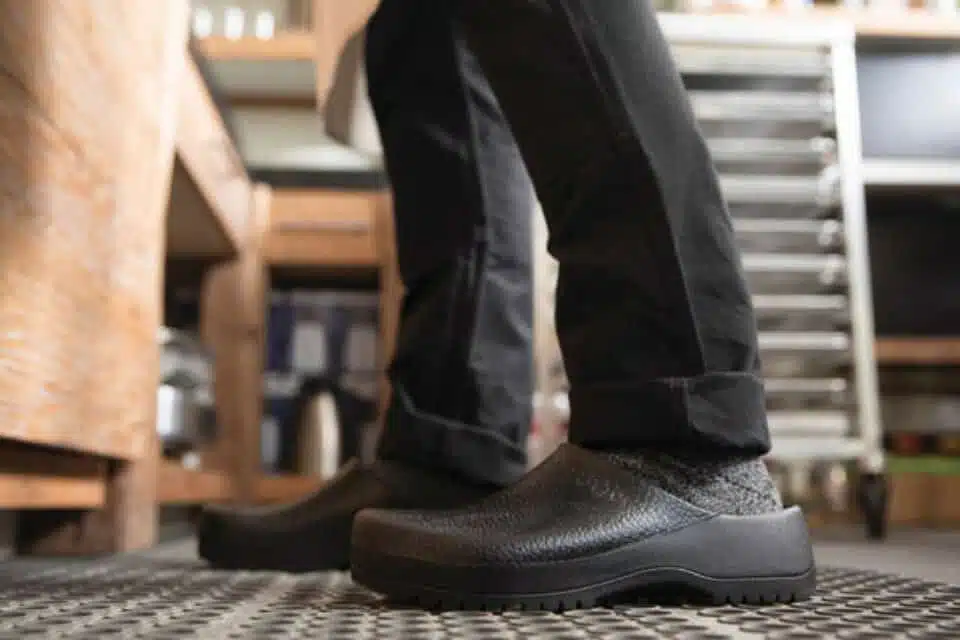
Take a moment and think about your situation. Do you stand all day at work? Teachers, cooks, chefs, barbers, hairdressers, cashiers, manufacturing employees, and construction works all spend hours on their feet at a time. Meanwhile, other places of work may have certain dress codes. You may be required to wear formal attire including high heels and dress shoes. What you wear has a great impact on you.
What you do at work also heavily impacts your health. For example, standing all day in your job can expose you to the following foot conditions:
- Varicose veins
- Plantar fasciitis
- Lower back pain
- Soreness and fatigue
- High blood pressure
- Knee or hip arthritis
- Bunions
- Pregnancy complications
- Neck and shoulder stiffness
- Chronic heart and circulatory disorders
- Poor posture (and its effects)
- Various foot problems and pain
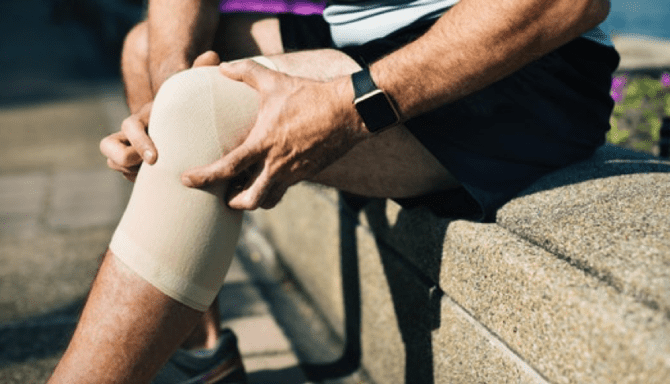
- Knee problems
- Swollen or painful feet or legs
- Achilles tendonitis
- Joint damage
- Poor circulation and swelling in feet & legs
Healthcare Professionals
Doctors and nurses are constantly on the move, often working long, demanding shifts that keep them on their feet for hours at a time. These long hours can take a toll on their feet, contributing to issues such as bunions, flat feet, toe deformities, and heel spurs.
For these reasons, it’s advised that healthcare professionals invest in the proper footwear that fit correctly to ensure the time spent on their feet is not damaging. Similarly, this advice can be applied to other industries with similar long hours including cooks, retail workers, and cashiers.
Additionally, investing in compression socks can help reduce swelling and inflammation of your legs.
Construction
Beyond the fact that construction workers need to wear boots all day, additional potential hazards exist. Traumatic impact like falling objects, accidents, and shock can all impact your feet. Ensure your workspace is safe and invest in proper boots that have adequate cushioning for the career you’re in. Shoes are not an area where you want to be overly frugal. Invest in your feet.
Because safety shoes limit the natural movement of the foot, it’s recommended to use custom orthotics or over-the-counter work insoles. These provide extra cushioning and support in the weight-bearing areas, helping promote healthy foot mechanics and reducing the strain that work and safety shoes can place on your feet.
Teachers
Teachers spend most of their days on their feet. This stress can cause lower leg problems including arthritis, joint damage, lower back pain, and knee pain. Try to take regular sitting breaks every hour, even if it’s for a few minutes.
Invest in proper footwear that offers adequate support and cushioning to protect your feet. Avoid wearing the same shoes you use for exercise, as they may be worn down in certain areas. Worn shoes can lead to joint soreness and misalignment because standing, walking, and running place different stresses on your footwear depending on your gait.
Outdoor Jobs
If you work outside all year-round, including in the winter, you’ll need winterproof footwear and socks to prevent frostbite. From the temperature to the climate, the elements can have a major impact on your feet. Wet feet mean added risk for blisters, athlete’s foot, and toe fungus. Conversely, cold feet are at an increased risk of frostbite, which causes irreversible damage to your feet.
Office Jobs
Then there are other jobs that don’t require you to stand all day. In fact, many jobs require the opposite – sitting all day. In these cases, you want to make sure you stay hydrated and get up regularly to avoid hip pain and tight muscles.
For example, if you work in marketing, sales, design, web development, data, as a lawyer, or in HR, you’re likely spending hours in front of a computer. Making sure you have a balanced work-life balance that involves adequate exercise is essential. And that may not be enough. Remember, you can’t simply reverse the effects of sitting for 7-8 hours a day with a few thousand steps.
Following a proper stretching routine, and incorporating strength training to avoid muscle imbalances is key for a healthy lifestyle. Because sitting all day restricts circulation to the lower limbs, office workers are strongly encouraged to wear compression stockings. These help improve blood flow and counteract the negative effects of prolonged sitting on the feet and legs.
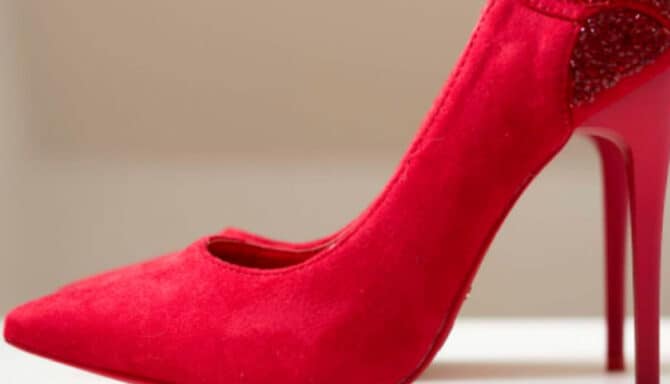
Office jobs also often have dress codes. If you wear formal footwear including high heels or dress shoes, think about the long-term impact they can have on your feet. Aim to either reduce the frequency of use or invest in comfortable and supportive dress shoes that are a hybrid between fashion and function.
Proper Footwear For The Job
Foot health starts with proper footwear, and the best way to find the right shoes for you is through a biomechanical assessment and gait analysis. During this assessment, a chiropodist will examine your foot range of motion, how you bear weight, and your walking pattern. They can then determine your foot type, gait pattern, and any biomechanical issues that could contribute to foot pain. Even if you’re not experiencing symptoms, this evaluation can help maintain foot health long-term.
Once your foot type and gait pattern are identified, you can choose shoes that align with your chiropodist’s recommendations. For example, those with flat feet and overpronation may benefit from stability shoes, while high arches or supination may require extra-cushioned shoes. If your work dress code limits your shoe options, custom orthotics are an excellent solution, providing the support your feet need in any footwear.
Investing in the right shoes is essential for the long-term health of your feet, knees, and back