Open
Open



August 13, 2026
It’s easy to assume that bad footwear will only hurt your feet, but it can quickly create a domino effect hitting other parts of the body. Unsupported shoes impact your foot position, which impacts your posture, which impacts your spine and back muscles.
Shoes that Cause Back Pain
For example, high heels put pressure on the balls of your feet and push your legs forward — to compensate for the shift in weight the upper-body tilts backward. The balancing act changes your straight up-and-down posture, forcing you to arch your lower back and to stick your pelvis forward. The position strains the spine and the lower back muscles.
Flat shoes like flip flops also lead to back pain because they offer no arch-support or grip whatsoever. The design changes your gait by forcing you to put more weight onto the outside edges of your foot in place of an unsupported heel. The weight disbursement alters the rotation of your legs while walking, putting more stress onto the lower spine.
Another factor that can contribute to back pain is poor shock absorption. Shoes that provide little to no cushioning—often flat shoes with thin midsoles—can increase strain on the body. Each step we take generates impact that must be absorbed somewhere. Normally, footwear helps reduce this force, but when shoes lack proper shock absorption, the impact travels through the feet, up the knees, and into the lower back. Over time, this repeated stress can place excess strain on the joints in the lower back and contribute to back pain.
Solutions for Back Pain
Replace Unsupportive Footwear
The first step to alleviating back pain is to get rid of unsupportive footwear.
Instead, opt for shoes with good cushioning and thicker midsoles designed for shock absorption. Materials like cork and EVA are naturally shock absorbent and help reduce the impact each step has on your spine.
It’s also a good idea to swap out flip flops for supportive sandals that offer cushioning, arch support, and ideally an ankle strap. An ankle strap helps keep the sandal securely on your foot and prevents toe clawing, which can otherwise alter your gait when you walk.
Finally, instead of traditional high heels, consider supportive flat dress shoes. If you must wear heels, choose shoes with a thicker block heel and keep the height under two inches to help minimize strain on your spine.
Custom Orthotics
Another way to tackle back pain is by using orthotic inserts in your shoes—although they won’t work with certain footwear styles, such as flip flops.
One of the clearest signs that you may benefit from custom orthotics is chronic pain in your feet, ankles, legs, hips, or lower back. Orthotics are commonly used to help alleviate back pain by improving alignment, supporting the feet, and promoting better posture.
Orthotics are inserts that fit inside your shoes to provide additional support, stability, and cushioning while improving overall function. For the best results, these inserts can be customized to your unique foot size, shape, and arch type.
As an added benefit, custom orthotics can also help people dealing with common foot problems. Individuals living with bunions, plantar fasciitis, or heel spurs often benefit from these medical-grade devices because they help redistribute pressure and improve the way the foot moves during walking.
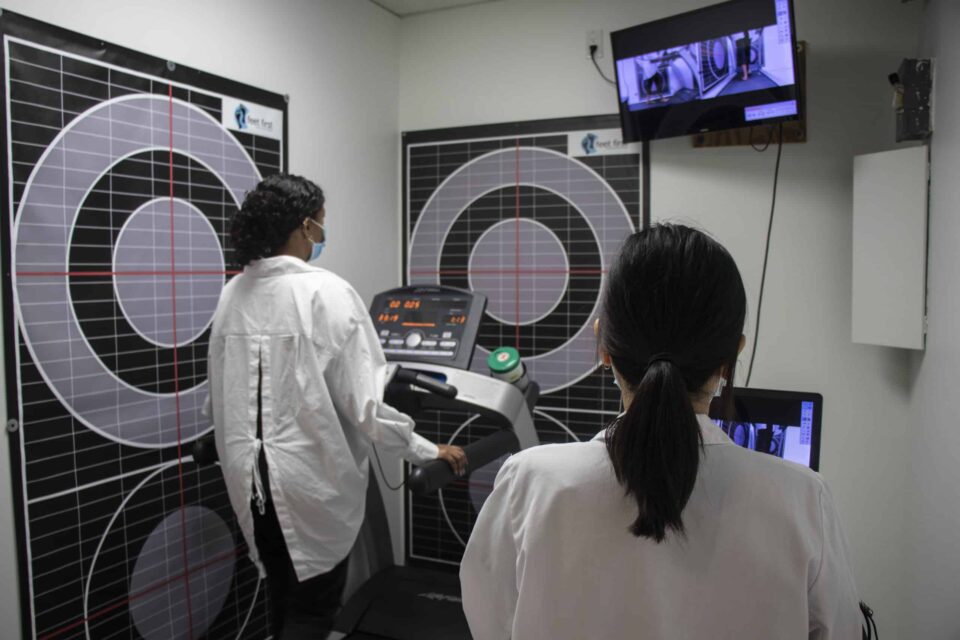
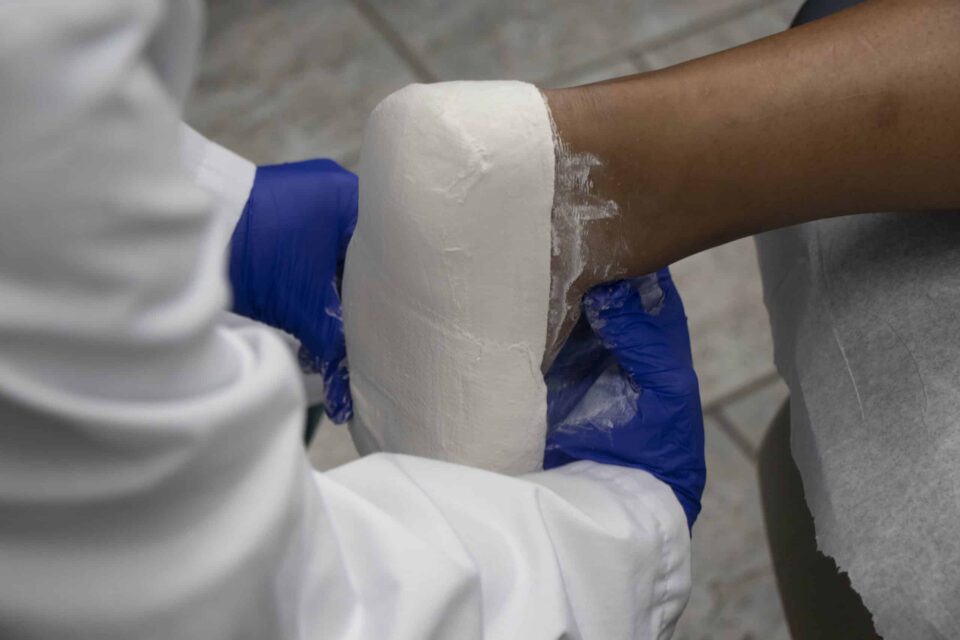
To get custom orthotics, you would typically book a biomechanical assessment with a licensed chiropodist. During this assessment, the chiropodist will evaluate the range of motion in your feet and ankles, examine how you bear weight, and perform a gait analysis to determine your walking pattern. Based on their findings, they can provide a diagnosis and, if appropriate, cast your feet for custom orthotics designed to suit your footwear and daily activities.
Other Solutions for Back Pain
Some simple home remedies for back pain are cold and hot therapies — start by addressing the pain with a cold compress, then use a hot water bottle on the same area two days later. The cold will combat pain and swelling. Heat will improve blood circulation and relax tightness.
If the pain is severe enough to keep you in bed for longer than a few hours or if it has you cancelling your plans for the next day, you should see a doctor. Sharp and intense back pain is not going to be caused by your footwear, but it can be exacerbated by it. The last thing you want when you have a slipped disc or a pulled muscle is an unsupported pair of shoes.
August 6, 2026
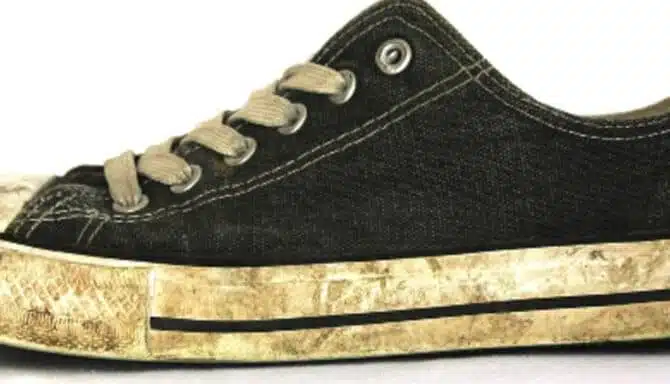
It’s common knowledge that you stop growing after you reach a certain age. This would lead one to believe that their footwear will fit forever. Sadly, this is wishful thinking. Over time, your shoes are prone to stretching and shrinking.
As an example, if you wear the same pair of shoes every time you work out, they will gradually lose their shape and eventually feel looser. Additionally, people in hot climates have reported that their shoes are shrinking from over-exposure to the sun.
Before you throw on your running shoes, make sure you keep an eye out for the following signs:
You Can’t Slide Your Shoes Off Easily
In some sports, like hockey, players are encouraged to tie their laces as tightly as possible. Tightly tied skates can prevent issues like rolled and sprained ankles.
However, this isn’t necessarily the case with running shoes. If your footwear is the ideal size, you should be able to slide them on and off without undoing the laces.
If you can’t do this, you’re either tightening your laces too much or wearing ill-fitting footwear.
Your Toes Touch the Inside of Your Sneaker
Are your feet swollen and sore after a long day of work? This may be because your toes are touching the inside layer of your sneakers. If so, then your shoes are too short.
If your toes rub against the inside of your sneakers, you can potentially bruise your nails, get blisters or a hammertoe.
To ensure that your shoes aren’t too tight, it's recommended to have approximately a finger's width of space between your longest toe and the inside layer of your sneakers. While for most people, this would be the big toe, it isn't the case for all. About 40% of the population has a Morton's toe, meaning that their second toe is the longest toe. For these people, you would want to ensure you have a finger's width of space between the end of your second and the inside layer of the shoe.
This measurement is approximate - not universal. The ultimate test: if you feel your toes knocking against the inside of your shoe, they're too short.
You also want to make sure you don't feel any pressure or squeezing on the pinky toe either. If so, your shoes could be too narrow.
You Have Corns, Calluses or Blisters
Having corns, calluses or blisters can be another tell-tale sign that your shoes don't fit properly. When toes repetitively impact against the inside of the shoes, it causes friction to build up. In response, the skin forms a blister, corn or callus. Some examples:
a callus on the outside of your big toe or pinky toe can be a sign your shoes are too narrow
Red marks or corns on the top of your toes can be a sign that the toebox in your shoes is too shallow
Blisters on your heels are a sign that your shoes don't fit properly in the back
Your Heel Moves Around While Walking
If your heel is slipping or moving when you walk, it's a telltale sign that your shoes are too big. So often we're paying so much attention to our shoes not being too small, that we don't worry about them being too big. However, shoes that are too big can be just as harmful as shoes that are too small.
If your shoes are too loose, your heel has more room to move around and rub up against your footwear. This causes additional friction, which can be extremely uncomfortable and lead to blisters. Wearing shoes that are too loose can cause tight calves, which can lead to calf pain and plantar fasciitis.
Does this happen to you? The simplest way is to deal with this issue is by tying your shoelaces correctly.
You can also try attaching an adhesive heel grip to the back of your shoes; this will secure your heel snuggly in place, and can be especially helpful for the slippage commonly experienced with dress shoes.
If your heel is still slipping, then you may need to purchase shoes that are half a size smaller.
So, before you slide on the shoes that you’ve had for far too long, you should take a look for the signs mentioned above. This will ensure that you don’t harm your feet in the (not so distant) future.
July 30, 2026
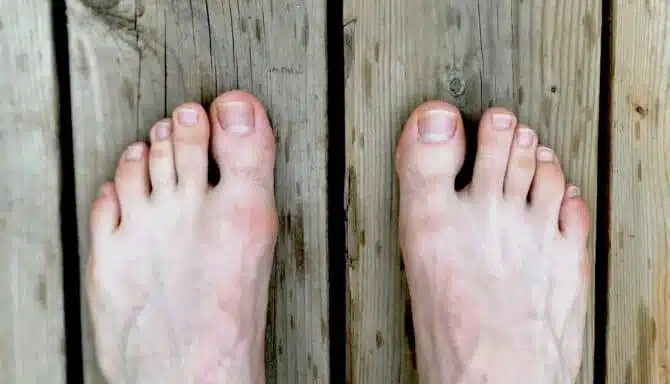
It's all in the toes.
Our toes bear the weight of the body with every step and are the foundation for our movement. The big toe specifically is the final point of contact before each step. In fact, the big toe carries most of the body weight, bearing about 40-60% of the load. The big toe also provides about 80% of the foot's total stability.
As a result, many foot injuries and toe conditions stem from, or affect, the big toe.
Maintaining good toe health is crucial for the longevity and long-term health of your feet. There are a number of different foot conditions that can result from toe neglect. Stiff toes, for example, can lead to hallux limitus or hallux rigidus.
Below you'll find a list of common toe conditions.
Claw Toe
A Claw Toe has an abnormal bend in both the middle joint and the joint closest to the tip of the toe.
Symptoms of claw toe include an upward extension from the joints at the ball of the foot and downward flexion at the middle joints toward the sole of your shoe. Claw toe comes in the shape of a bridge or a hump.
Early on, claw toe resembles a flexible hammertoe (see more below). However, over time, claw toes can stiffen. It's important to address claw toe early to reverse the deformity. One such treatment is a splint or tape to hold your toes in the correct position. You can also try a silicone toe crutch.
Finding shoes that fit correctly is also a key preventative measure. You'll notice through this article that many toe conditions can be prevented by wearing Proper Footwear. Additionally, you can use your hands to stretch and straighten your toes, and perform exercises including picking up marbles or a towel to strengthen local ligaments and tendons.
Subungual Hematoma
A subungual hematoma is a medical term for a Black Toenail.
A black toenail occurs when the skin below the nail is damaged. Long-distance runners are particularly susceptible to black toenails because of the friction to the top of the foot, as well as the duration of the activity.
Immediately after injuring your toe, you need to reduce the pain and swelling. First, wrap a clean bandage around the toe to stem the blood. Put a bag of ice or cold compress on the covered injury - ideally putting a plastic cover above the band-aid to prevent it from getting wet. Then lie down and elevate you foot so it is resting above your heart, to again stem the blood flow. Finally, avoid doing any strenuous activity for the next 3-5 days and avoid wearing shoes that touch the affected area. It is ideal to do Epsom foot soaks every day and change the band-aid daily for the next 3-5 days. If bleeding does not stop after 5 days, contact your chiropodist or podiatrist. If the nail is lifting and causing pain, see your chiropodist to have it gently cut back and to prevent further injury.
Turf Toe
Turf toe is a sprain of the big toe joint resulting from injury during sports activities.
This acute injury typically occurs from jamming the toe. Turf toe includes pain, swelling and limited joint movement. Following the PEACE & LOVE protocol is beneficial. In the first 1-3 days follow PEACE: Protect, Elevate, Avoid anti-inflammatories, Compress and Educate. After the acute phase, promote healing with LOVE: Load (gentle movements), Optimism back to activity, Vascularisation (cardio) and Exercise. Additionally, wear stiff or rocker bottom footwear to limit flexion of the toe and to keep it isolated and neutral while walking. Taping the toe with semi-flexible sports tape can also aid in keeping the toe at a neutral angle while its healing.
The biggest concern here is either not addressing the injury, or rushing back to activity too quickly. Without the proper treatment, turf toe can turn into hallux limitus.
Hallux Rigidus
Osteophyte (bone spur) on top of the left first metatarsophalangeal joint (MTPJ) due to hallux rigidus.
Translated to a stiff big toe, hallux rigidus is a progressive condition that stems from osteoarthritis in the big toe. It causes pain and stiffness in the joint and over time, the toe loses flexibility.
As the cartilage at the first metatarsophalangeal joint (MTP) breaks down, the metatarsal bones and the proximal bones rub together. This friction, as well as the body's response to fill the void left by osteoarthritis results in the formation of a bone spur.
In this case, its important to recognize early signs of Hallux rigidus which is Hallux limitus. During the hallux limitus stage, it is crucial to improve and maintain the range of motion in the toes to prevent it from progressing. This may include investing in a pair of custom made orthotics or proper fitting footwear.
Hammertoe
Hammertoe is a progressive toe condition that worsens if left untreated. In short, hammertoe is a toe deformity of one or both joints of the second, third, fourth or fifth (little) toes. You'll see one of the toes shift and cross over another toe.
Hammertoe can develop from wearing ill-fitting shoes, especially footwear that is too small or has a tight toe box. The lack of space forces the toes into a bent position, which can eventually cause changes in the tendons and ligaments. Hammertoes can also occur alongside a bunion, as the smaller toes may overcompensate for changes in foot mechanics. Fortunately, addressing the cause quickly can be extremely effective.
Treatment includes:
Corn pads
Stretching and strengthening your toe and toe and foot muscles
Roomier footwear
Custom orthotics that help reposition and take the pressure off of your toes
Surgery
Metatarsal pads
Left untreated, hammertoe can worsen and require surgery. If your toes appear bent or you are experiencing toe mobility, visit one of our licensed chiropodists (foot specialists) as soon as it's safe to do so.
Drop-in shoe fitting for hammertoe is also offered.
Gout
Gout is a common and complex form of arthritis that often begins in the big toe.
It's often known as the "disease of kings" or "rich man's disease" because it's prevalent in older men, as well as those who eat meat or seafood, drink beer, or are overweight.
It's characterized by sudden, severe attacks of pain, swelling, redness and tenderness in the joints. Gout looks like a swollen bunion on the outside of the big toe. Gout can have symptoms similar to conditions such as Hallux Limitus, Hallux Rigidus, or an inflamed Bunion. However, a key difference is that gout pain often worsens at night and can be extremely sensitive to light pressure, such as bedsheets touching the area. In contrast, hallux limitus, hallux rigidus, or bunions typically cause pain with joint movement or when wearing certain footwear. A definitive diagnosis of gout usually requires medical testing, such as bloodwork, joint aspiration, or imaging like X-rays or CT scans.
To help prevent gout, you can follow these preventative measures:
Drink plenty of fluids
Limit or avoid alcohol
Get your protein from low-fat dairy products
Limit your intake of meat, fish and poultry
Maintain desirable body weight
Ingrown Toenails
An Ingrown Toenail occurs when the side of the toenail curls down and pierces the flesh of the toe as the nail grows. Untreated ingrown toenails can easily become infected.
To start, you’ll want to focus on treatment, and then prevention.
Place a spacer or splint under the ingrown edge of the toenail
Soak feet in Epsom salt and water bath at home to flush out the infection and manage pain and inflammation
Trim the ingrown portion of the nail
In recurring cases, surgical removal (outpatient) of part of your toenail
If your toenail becomes infected you may need topical or oral antibiotics
Prevention includes:
Avoid shoes that crowd your toes
Trim your toenails straight across and file the corners
Avoid injury to your toenails
Sometimes improper foot mechanics or tight footwear can cause excessive callus buildup between the skin and the nail. This buildup can become inflamed and painful, often feeling similar to an ingrown nail even though the nail itself is not growing into the skin.
Blisters
Blisters are among the most common toe conditions. Although common, blisters typically are not serious and can be treated immediately for relief within a few days. Blisters are small, fluid-filled bubbles on the upper most layer of the skin. Friction against your skin and your socks and shoes causes your skin to form small bubbles to prevent further damage to the underlying skin. More serious blisters may contain blood as the vessels at the surface of your skin burst.
These skin conditions typically heal themselves within a few days. However, it’s advised to cover blisters either with a basic bandage, tape, or a Band-aid, all of which are available at our Toronto foot clinic. These measures are simply to prevent unwanted popping of the blister and to shield your skin from friction.
To schedule best foot care treatment with our licensed Chiropodists (foot specialists), use the booking form at the bottom of this page or call 416-769-FEET(3338).
Bunions
A Bunion is a deformity of the metatarsophalangeal (MTP) joint. A bony bump protrudes from the base of the big toe causing pain, redness, and sometimes even swelling. Bunions are atop the list of most common toe problems. It affects about 23% of adults. The common age range of onset is 20-50, and women are more commonly affected than men.
Like hallux rigidus and other progressive foot conditions, a bunion is irreversible once it starts. So you can’t reverse what’s already been down, but you can take measures to slow down the deformity over time. The sooner you address the problem, the slower the rate of bunion growth.
Do you have a bunion or hallux rigidus? Read: Hallux Rigidus or Bunions: What's the Difference?
Measures to help slow a bunion’s progression include:
Proper Footwear
A foot assessment for Custom Orthotics
Over-the-counter footcare products
Surgery is also an option. Typically, surgery includes removing the protruding portion of the bone, and re-aligning the joints in the big toe. Surgery is considered a last-resort option for advanced bunions that cause significant pain and have not improved with conservative treatments. Like with any foot condition, educate yourself on the pros and cons of surgery to determine: Is Foot Surgery Worth It? But, there’s still hope for those with bunions. Check out these Effective Ways That you Can Treat Your Bunion Pain.
A bunion’s sibling: A bunionette
Similarly, a Bunionette (or tailor’s bunion) is a bunion on the opposite side of the foot. A bunionette appears on the pinkie toe and affects the fifth metatarsal. It’s smaller than a bunion, but still appears as a bump. Pain associated with a bunionette occurs on the outside of the foot, and tight shoes may exacerbate the condition. Shoes with narrow toe boxes are particularly problematic for those with a bunionette. Narrow toe boxes increase friction against the bony protrusion. The causes of a bunionette are classified as either intrinsic or extrinsic.
Bunionettes can appear more pronounced after pregnancy due to the hormone relaxin and increased weight gain, which can cause the foot to flatten. This is why many women notice their feet feel larger or wider postpartum.
Causes include:
External pressure on the forefoot
Tight shoes
Genetics
Foot anatomy
Faulty mechanics
Bunion and bunionette treatment is similar. As such, properly-fitting shoes are an essential step. Additionally, stretching your shoe can provide benefits as it artificially provides additional toe room. This allows your bunionette more space in the shoe.
Remember, our bodies begin at our feet. Take proper care through the various methods mentioned in this article to prevent toe conditions from occurring.
July 2, 2026
Have you been experiencing foot pain that just doesn’t seem to go away? Perhaps your pain is worse with your first steps in the morning or your initial steps after rest. Or maybe your feet are sore after standing all day at work. If this sounds like you, your feet may be suffering from faulty gait patterns or structural deformities that may benefit from custom foot orthotics.
Continue reading to find out everything there is to know about orthotics as we address the internet’s most asked questions regarding this medical device.
What are orthotics?
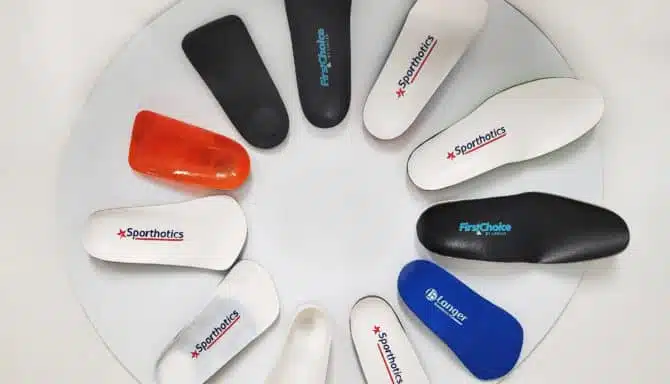
A custom foot orthotic is a device derived from a three-dimensional representation of a person’s foot and also made of suitable materials with regard to the individual’s condition. It is made specifically to address faulty gait patterns, improper weight distribution or structural deformities by providing support, stability, and balance. It is a removable device that can be transferred between shoes.
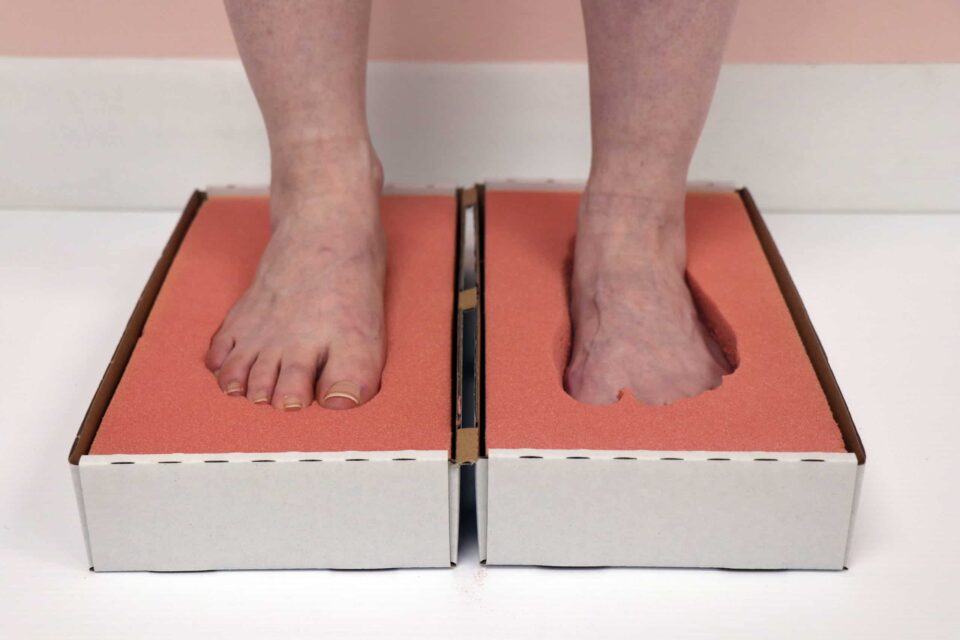
A licensed chiropodist or podiatrist is the health care practitioner to see for a pair of custom foot orthotics. The appointment will include a full biomechanical assessment and gait analysis to determine a diagnosis and therefore, the cause of your symptoms. The foot specialist will also take a 3-dimensional mold of your feet using plaster of paris or a laser scanner.
A custom-made insole works to realign the foot to eventually relieve your pain. A functional custom made insole works to realign the foot and eventually relieve your pain. An accommodative custom made insole will offload areas of high pressure or add more cushioning to painful areas of your feet. It takes several weeks or months for your body to adjust to the insole but you should feel a gradual decrease within the first month or so.
How do I know I need them?
Your signs and symptoms are good clues. The following conditions may benefit from custom orthotics:
Pain at the heel, arch, ball of the foot, top of the foot, shin, ankle, knee, hip, low back
Poor foot posture (ie flat feet)
Gait anomalies
Foot fatigue
Plantar Fasciitis
Posterior Tibial Tendon Dysfunction
Patellofemoral Pain
Shin splints
Flexible flatfoot
Achilles tendonitis
Rheumatoid arthiritis
Rigid deformities
Fat pad atrophy
Calluses
Ulcer risk
Elderly patients
All of these are valid reasons to have your feet checked by a professional. A foot orthotic is recommended when muscles, tendons, ligaments, joints, or bones are not in an optimal functional position and are the cause of pain, discomfort, and fatigue.
If you are experiencing any of the signs and symptoms listed above, it is best to consult with a foot care specialist. A chiropodist or podiatrist will be able to tell you whether or not he or she recommends custom foot orthotics for your particular care.
What is an orthotic shoe?
An orthopedic shoe is designed with certain characteristics that make them different from everyday footwear. For instance, the shoe may have a firm heel counter, deep toe box, shock absorbing sole, stable sole, increased torsional stability, built in arch support, and come in a variety of widths to accommodate a wider foot. Orthopedic shoes work to support the foot’s structure and mechanics by reducing abnormal foot function, accommodating foot deformities, and enhancing the effectiveness of orthotic insoles.
Just as in the case of custom foot orthotics, a prescription for orthopedic footwear requires an appointment with a licensed chiropodist or podiatrist. The prescription will be based on a review of medical history, a full biomechanical assessment and gait analysis, and consideration of occupational, lifestyle, and environmental factors.
How long do and how often do I have to wear orthotic insoles?
If your orthotics were prescribed to you because of some sort of pain, whether at your feet, knees, hip, or low back, you should be wearing them on a day to day basis until your pain subsides, that is if you experience pain daily. It is even recommended to wear them indoors. However, once the pain subsides, it is important to work on strengthening your feet as well as addressing any tightness in the lower limb and back to help manage your condition. Doing this will reduce the need for orthotics, although for the most part, they will still be needed to a certain degree.
Initially, when orthotics are prescribed and dispensed, they should be gradually incorporated into your daily regime as they are working to realign the foot to eventually relieve your pain. It is important to adhere to the break in schedule advised by your chiropodist to help your body slowly adjust to the new device. Most practitioners will recommend wearing the insoles for one hour the first day, two hours the next, three hours the third day and so on. Orthotics should also be worn in structured shoes that provide proper support. If they are placed in unstructured footwear, such as shoes from Skechers, they can move around too much and won’t effectively stabilize or align the foot, which may reduce their ability to relieve your symptoms.
On average, it takes approximately a month to become fully accustomed to a new pair of custom orthotic insoles and feel comfortable wearing them all day long.
How do I know if my orthotics are working?
The easiest way to know if your orthotics are working is an alleviation of your symptoms.
What are the risks of using/wearing orthotics?
If made and prescribed correctly, orthotics will benefit you, not harm you. When worn for the first time, they may feel uncomfortable, like you are walking on a hard ball with most of the pressure felt at the arches, but this is normal. If you adhere to the break in schedule, your body will ease into the new foot posture in a relatively short period of time.
How expensive is it?
You will need to book a consultation with a foot specialist for a full biomechanical assessment and gait analysis before being prescribed and dispensed custom orthotics. At the end of this appointment, your foot specialist will determine if your particular condition and concerns can be managed and corrected by the devices. The price for custom foot orthotics differs between clinics, averaging approximately $500 per pair. The consultation fee is usually around $90 - $135.
If you have extended health benefits, you may have coverage for these kinds of devices as well as the consultation. Finally, you can always talk to your foot specialist about less expensive alternatives, such as over-the-counter insoles like Superfeet.
June 4, 2026
Our legs are a complex and intricate system of bones, joints, and muscles. Everything is interconnected in some way.
Muscles and joints rely on each other to perform properly, and to provide the necessary foundation for our body. Our habits, genetics, and environment all affect our feet. With so many different possibilities for foot conditions to arise, it's important to remember that correlation is not causation.
Just because we do one thing, does not necessarily mean it causes another. To help clear the air over a sample of common foot myths, we decided to debunk a few of them below.
1. Flat feet are bad
About 30% of the population lives with flat feet.
Flat feet are defined as a postural deformity in which the arches of the foot collapse. As a result, the entire foot makes contact with the ground. The foot is characterized by a very low arch, and can other foot conditions because of the leg's compensation.
Flat feet can develop in one foot, or both, depending on your body's development.
According to Harvard Medical School, even in adulthood, 15% to 25% of people have flexible flatfeet. Most of these people never develop symptoms. For those with what's called rigid flat feet, several measures can be taken to reduce pain and live comfortably with flat feet. These include:
Custom orthotics that artificially raise the arch and provide support
Strengthen and stretch your calf as this reduces the pressure and load on your arches
Supplement some high-impact exercise with low-impact activities like swimming, cycling, or spinning
Wearing slippers or supportive footwear inside instead of walking around barefoot
Proper fitting footwear with motion control and stability
Foot strengthening and exercises
2. Wearing heels causes all of women's foot problems
Additionally, a common misconception is that high heels cause bunions. This isn't true. Heels aggravate bunions but are likely not the cause.
However, excessive heel usage can result in a few common foot conditions: Corns, Hammertoe, Calluses and Haglund's deformities (called the "pump bump"). Additionally, you're at a greater risk of osteoarthritis since you may lose fat under your foot.
According to WebMD, you can prevent certain foot conditions while continuing to wear heels. Some of these preventative measures include:
Get the well-fitted high heel
Use silicone metatarsal pads for under your feet
Wear a thicker heel for stability
Pay attention to the "slope" or "pitch" of the heel
Wear open-toe high heels to relieve pressure on corns and calluses
Wear heels that are no more than 2" high
3. A bunion is just a bump
A bunion may look like just a bump. However, that's another in the list of foot myths. If only it were that simple...
Depending on the cause, your habits may worsen the condition. Maybe you wear shoes with a narrow toebox. Without correction, bunions can get a lot worse over time, turning just a bump into severe pain.
A Bunion, or hallux valgus, is a bony protrusion that forms at the site of the large joint that connects your big toe to your foot. As you can expect, without addressing the cause of bunions, the toe angle's alignment can sharpen, causing a larger bump.
It should be noted that bunions can be hereditary, in which case you might be doing everything right. Hereditary bunions are linked to inheriting foot structures such as flat feet or faulty bone mechanics rather than inheriting the bunion structure itself. Inherited conditions such as hypermobility or shortened Achilles tendons can largely increase the risk of developing a bunion. In this instance, continue to practice proper foot habits like:
Footwear modification, i.e., avoiding tight shoes with a narrow or stiff toe box.
Anti-inflammatory medications
Bunion splints
Bunion aligner
Therapeutic taping
Supportive insoles or custom orthotics
Anti-inflammatory gels (but not NSAID oral medication)
You should consult a foot specialist to see whether or not action needs to be taken.
4. Foot pain is the result of getting old
Reword the first paragraph: Foot conditions, such as osteoarthritis, are common as we age. Osteoarthritis is a degenerative joint disease caused by the breakdown of joint cartilage and changes in the bone structure causing joint pain, stiffness and reduced mobility.
However, osteoarthritis can occur at any age. Individuals who train or play high level or high impact sports may experience osteoarthritis even as early as their 20s. The most common areas for osteoarthritis include the big toe joint, knees and hips.
Osteoarthritis is a progressive and degenerative disease meaning that the damage is irreversible. Physical therapy can aid in providing strength to the muscles surrounding the affected joint and can alleviate pain. Common treatments include functional stretches and movement exercises and managing symptoms with proper support or bracing.
5. Surgery will fix foot problems
Surgery can help fix certain foot conditions, but non-invasive options may work equally well, if not be more effective.
There are several factors to consider when deciding on foot surgery:
Necessity
Success rate
Cost
Recovery time
Long-term effectiveness
Certain progressive conditions like hallux rigidus, bunions, and a ruptured Achilles may require surgery to correct the inherent problem. However, physical therapy can also improve quality of life. Proper orthotics, avoiding high-impact exercise, proper footwear, and strengthening can help limit pain associated with certain foot conditions.
However, surgery removes the bone portion of the injury. For those with Hallux Rigidus, the Bone Spur contributes to the toe's stiffness. The range of motion won't improve without surgery. Although, the worsening of the condition can be slowed with physical therapy as mentioned above.
For those with a Bunion, you’ll want to explore All Non-Invasive Measures before deciding on surgery. If you have explored all options, surgery may be an option. Typically, those who experience significant pain, have severe toe deformities, and have chronic inflammation are the likely candidates for surgery. Bunion surgery (of which there are a few) can include several correct measures:
Realigning the metatarsophalangeal (MTP) joint at the base of the big toe.
Pain relief.
Correcting the deformity of the bones, especially if your big toe is drifting inwards towards your second metatarsal.
If you're unsure about foot conditions, toenail conditions, or skin conditions, contact us at Feet First Clinic to set up an appointment. You can do that below, or by Contacting Us Here!
May 7, 2026
Summer is just around the corner, which means you can finally put your leather boots away and slip on footwear that’s more appropriate for the humid weather. You’ll be tempted to grab a pair of breezy flip flops from the back of your closet.
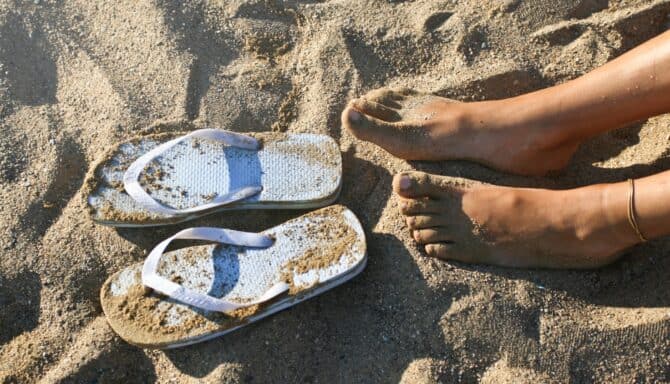
Flip flops sound like the best choice for summer fashion, but in reality, they’re terrible for your feet. If you want to get ready for hot weather and trips to the beach, you should ditch your flip flops and find replacements that are better for your body.
What’s wrong with flip flops?
Essentially, your average flip flop doesn’t offer any arch support for the foot. The material is thin, flat and offers very little grip. The only thing holding it together is a thong strap wedged between your big toe and second largest toe. The lack of arch support causes increased strain on the plantar fascia, and can lead to plantar fasciitis (inflammation of the ligament that connects the heel of the foot with the toes). The pain can be so powerful that it can be hard to get out of bed and walk to the bathroom first thing in the morning.
Another one of the reasons why flip flops are terrible for your feet is that your toes have to clench and grip the sole of the shoe so that it lifts with each step. This design flaw puts a lot of strain on your toes when you’re walking for long distances. The toe-gripping action can cause metatarsalgia or lead to clawed toes. It gets worse when the terrain adds more resistance, like sand, or when you’re trying to move at a faster pace.
In addition to plantar fasciitis, wearing the lack of arch support and repetitive toe-clenching from flip flops regularly can also lead to the following health problems:
Ankle sprain - due to lack of ankle support and stability
Bunions - due to the lack of arch support and structure. This causes low-grade toe-off, which twists the foot during the toe-off part of the gait cycle instead of pushing off under the big toe the way the foot was designed for.
Tendonitis - due to the sustained gripping and clawing.
Corns - due to the lack of support, which can cause a build up of pinpoint pressure under the balls of the feet. Rotation of the forefoot onto the lesser toes can also cause corns in between the toes.
Hip and Knee pain - due to the inability to have a long stride and no proper toe-off. Flip flops cause a shuffling gait pattern, which makes the hips and knees overcompensate.
Changed gait - The altered toe-off, lack of arch support, sustained clawing and inability to take proper long strides cause a "shuffling" gait pattern. This has a domino effect on other parts of the body.
Sesamoiditis - The thin soles of flip flops don't provide enough cushioning for the big toe.
Achilles tendonitis or calf pain - The flat soles of flip flops do not have any "rock" (or curvature at the toes) to them to help with the toe-off of the gait cycle. This causes calf fatigue.
What can you do instead?
Ditching your cheap flip flops doesn’t mean you have to put on heavy boots or running shoes. You can go to a foot clinic, where the knowledgeable staff can help you find summer-friendly options that won’t leave you rubbing your heels after taking a long walk through the park or icing your arches after a trip to the beach.
There are lots of brands out there that take arch support and comfort in mind when they design summer footwear. Look for sandals with strong, defined arch support, a deep heel cup, metatarsal padding, cushioning and shock absorption. Some companies even make flip flop style sandals with good arch support, cushioning and a curved structured sole. These will be much kinder to your body than any pair that you can pick up at a beach-side kiosk.
It’s true that flip flops can be a convenient wardrobe choice. They’re portable, easily replaceable and they’re oh-so-cheap. You could get a pair for under $5. But, the physical problems they cause are not worth their low price.
This summer is your opportunity to take better care of your feet!