Open
Open


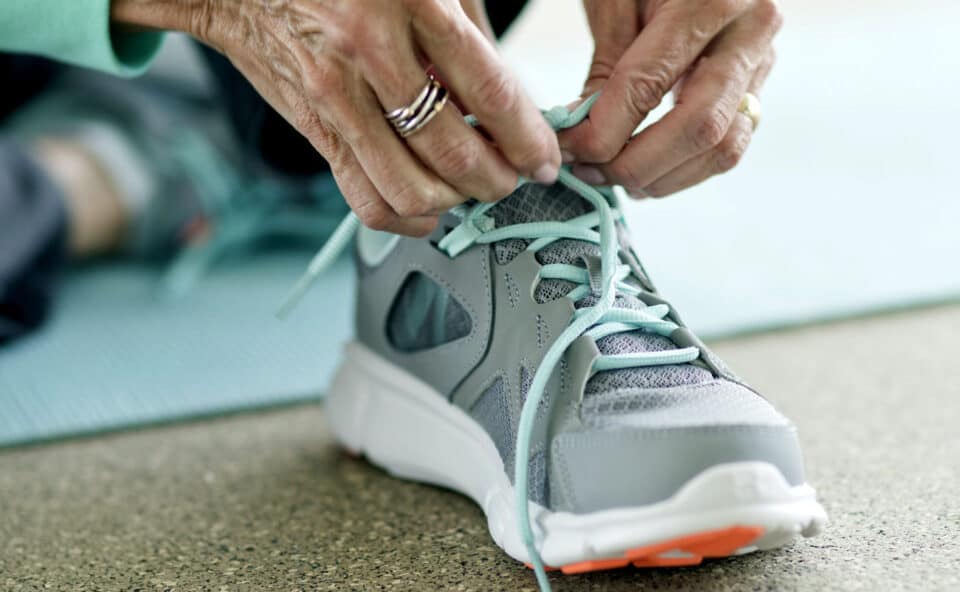
Were you ever recommended a shoe from a friend that just did not live up to its expectation? They may have helped your friend with his/her foot issues, but not your own? Many people don’t know you should be wearing shoes according to your foot type. What might work for your friend to alleviate foot pain and improve their foot function, may not necessarily work for you.
Before we get into the details, it is always important to follow these general guidelines when looking for proper footwear:
1. Size
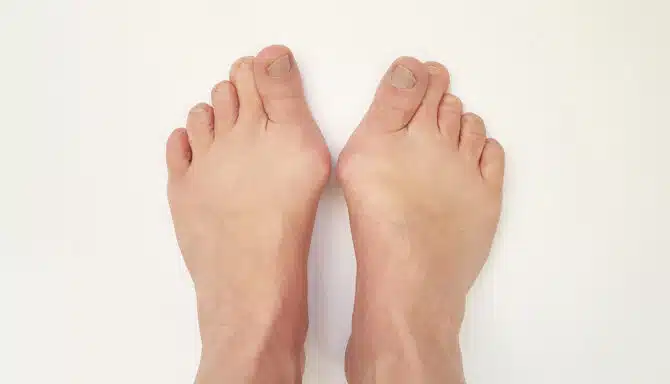
Your shoe should be the correct length and width. As a general rule of thumb, allow for one digit’s width distance between your longest digit and the end of the shoe. Also, make sure any bunion deformities are accommodated.
2. Structure
To check for good structure in a shoe, you want to make sure you cannot bend the shoe in half or twist it along the midfoot. The only place it should display good flexion is at the forefoot where the ball of the foot bends.
3. Grip
The outer sole of the shoe should have enough grip to prevent or at least not encourage the foot from slipping when walking.
4. Activity appropriate
Always consider the activity you intend on using the shoes for when purchasing shoes. Some shoes are made specific to a sport and for good reason. For instance, cleats help to increase friction between the ground and the shoe to reduce risk of falls and injury.
5. Match Your Gait Pattern
Finding the right shoes for your feet also depends on your foot type and gait pattern. Depending on your foot type and gait pattern, you should look for certain characteristics in a shoe. To find our your foot type and gait pattern, you can book a foot assessment with a licensed chiropodist.
In general, we can categorize feet into three main categories:
Overpronator
Your feet tend to roll inwards towards its arches when walking. Typically, your feet are very mobile or flexible. You may notice your foot widens quite a bit when standing and your arches lower significantly, if not completely flatten. People who overpronate tend to have flat feet.
The best shoe for this foot type is a stability shoe. This shoe has a medial post and firm heel counter to control the foot and ankle’s movement and correct overpronation.
Supinator (Underpronator)
Your feet tend to be a bit more rigid and stiff. You may also feel pressures along the outer edge of your foot rather than at the arch. Finally, you most likely have a high arch with pressure points at the ball of the foot and the heel.
The best shoe for this foot type is a neutral cushioning shoe. This type of shoe includes increased shock absorption. Shoes with a rocker sole may also help to redistribute pressures along the bottom of your foot. There is a myth that people with high arches should wear shoes with less arch support; the opposite is true. Regardless of your foot type, arch support is very important.
Neutral
Your foot does not have a high or flat arch, rather more medium to low. You pronate an appropriate amount. When looking at your feet from behind in standing position, your heels are relatively straight.
The best shoe for this foot type is a neutral shoe. A neutral shoe helps to support a healthy gait pattern and also has some cushioning features.