Open
Open


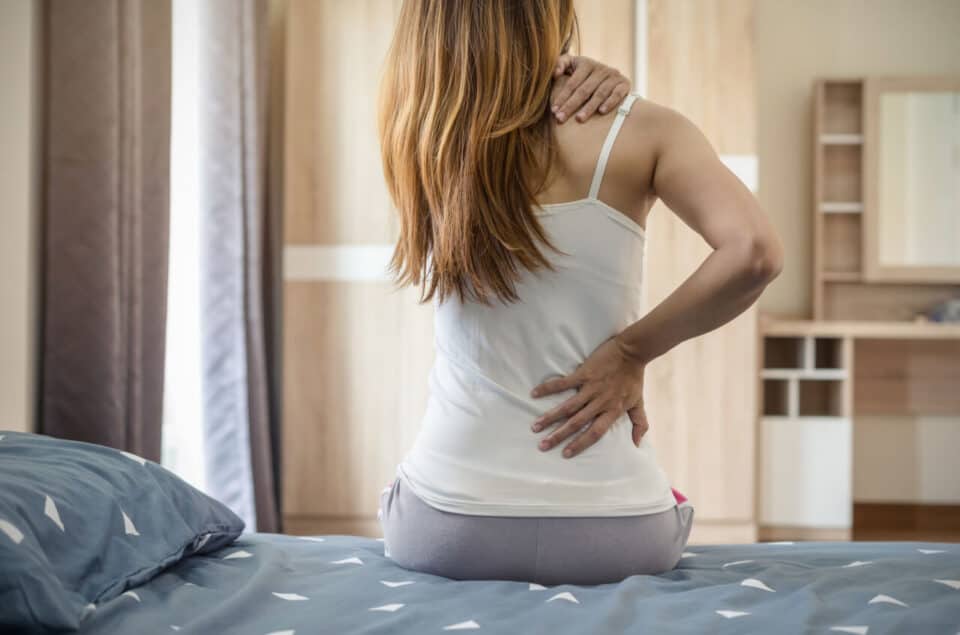
It’s easy to assume that bad footwear will only hurt your feet, but it can quickly create a domino effect hitting other parts of the body. Unsupported shoes impact your foot position, which impacts your posture, which impacts your spine and back muscles.
Shoes that Cause Back Pain
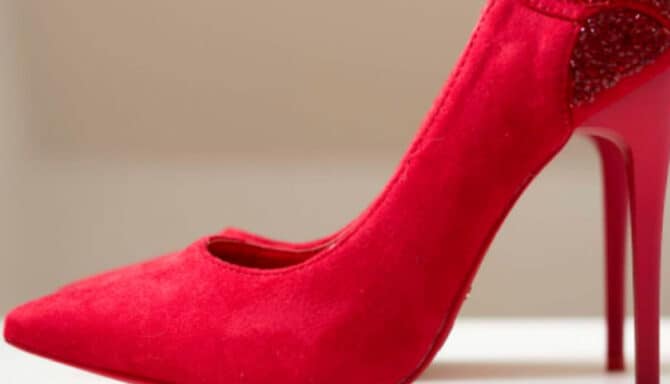
For example, high heels put pressure on the balls of your feet and push your legs forward — to compensate for the shift in weight the upper-body tilts backward. The balancing act changes your straight up-and-down posture, forcing you to arch your lower back and to stick your pelvis forward. The position strains the spine and the lower back muscles.
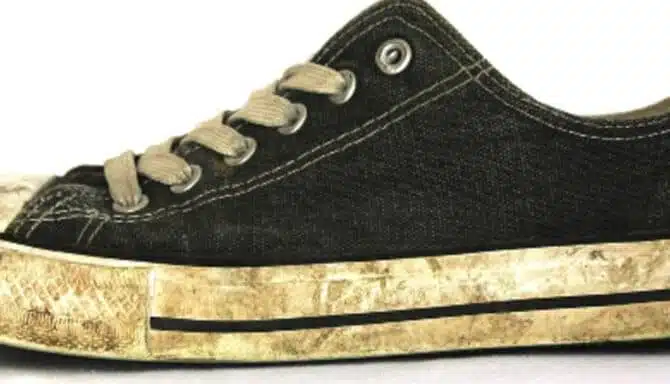
Flat shoes like flip flops also lead to back pain because they offer no arch-support or grip whatsoever. The design changes your gait by forcing you to put more weight onto the outside edges of your foot in place of an unsupported heel. The weight disbursement alters the rotation of your legs while walking, putting more stress onto the lower spine.
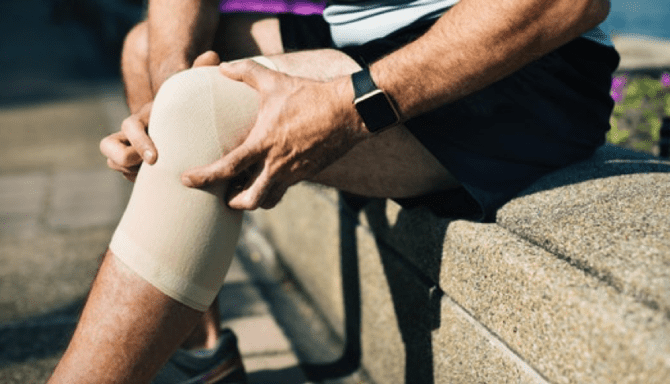
Another factor that can contribute to back pain is poor shock absorption. Shoes that provide little to no cushioning—often flat shoes with thin midsoles—can increase strain on the body. Each step we take generates impact that must be absorbed somewhere. Normally, footwear helps reduce this force, but when shoes lack proper shock absorption, the impact travels through the feet, up the knees, and into the lower back. Over time, this repeated stress can place excess strain on the joints in the lower back and contribute to back pain.
Solutions for Back Pain
Replace Unsupportive Footwear
The first step to alleviating back pain is to get rid of unsupportive footwear.
Instead, opt for shoes with good cushioning and thicker midsoles designed for shock absorption. Materials like cork and EVA are naturally shock absorbent and help reduce the impact each step has on your spine.
It’s also a good idea to swap out flip flops for supportive sandals that offer cushioning, arch support, and ideally an ankle strap. An ankle strap helps keep the sandal securely on your foot and prevents toe clawing, which can otherwise alter your gait when you walk.
Finally, instead of traditional high heels, consider supportive flat dress shoes. If you must wear heels, choose shoes with a thicker block heel and keep the height under two inches to help minimize strain on your spine.
Custom Orthotics
Another way to tackle back pain is by using orthotic inserts in your shoes—although they won’t work with certain footwear styles, such as flip flops.
One of the clearest signs that you may benefit from custom orthotics is chronic pain in your feet, ankles, legs, hips, or lower back. Orthotics are commonly used to help alleviate back pain by improving alignment, supporting the feet, and promoting better posture.
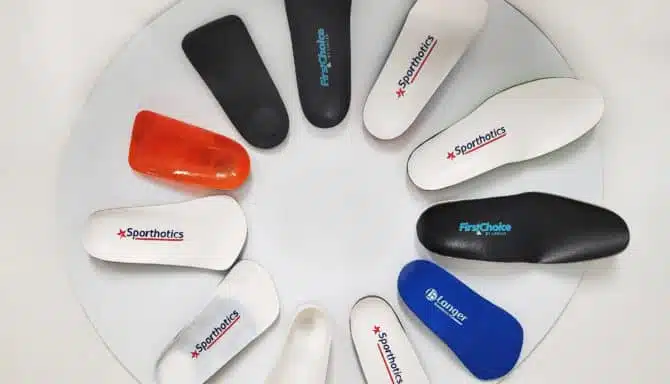
Orthotics are inserts that fit inside your shoes to provide additional support, stability, and cushioning while improving overall function. For the best results, these inserts can be customized to your unique foot size, shape, and arch type.
As an added benefit, custom orthotics can also help people dealing with common foot problems. Individuals living with bunions, plantar fasciitis, or heel spurs often benefit from these medical-grade devices because they help redistribute pressure and improve the way the foot moves during walking.
To get custom orthotics, you would typically book a biomechanical assessment with a licensed chiropodist. During this assessment, the chiropodist will evaluate the range of motion in your feet and ankles, examine how you bear weight, and perform a gait analysis to determine your walking pattern. Based on their findings, they can provide a diagnosis and, if appropriate, cast your feet for custom orthotics designed to suit your footwear and daily activities.
Other Solutions for Back Pain
Some simple home remedies for back pain are cold and hot therapies — start by addressing the pain with a cold compress, then use a hot water bottle on the same area two days later. The cold will combat pain and swelling. Heat will improve blood circulation and relax tightness.
If the pain is severe enough to keep you in bed for longer than a few hours or if it has you cancelling your plans for the next day, you should see a doctor. Sharp and intense back pain is not going to be caused by your footwear, but it can be exacerbated by it. The last thing you want when you have a slipped disc or a pulled muscle is an unsupported pair of shoes.